Covid-19 Sector Reviews: Consumer Goods

The Consumer Goods sector has been one of the more resilient sectors to the devastating effects of the pandemic. As is often the case, even in more precarious times, consumers will continue to demand the bare necessities of life.
Many consumer goods products often have small or even negative income elasticities of demand. This means that the general fall in income levels, which are typically seen during a recession, will be met by a proportionately smaller fall in the number of consumer goods demanded, or even an increase for certain inferior goods.
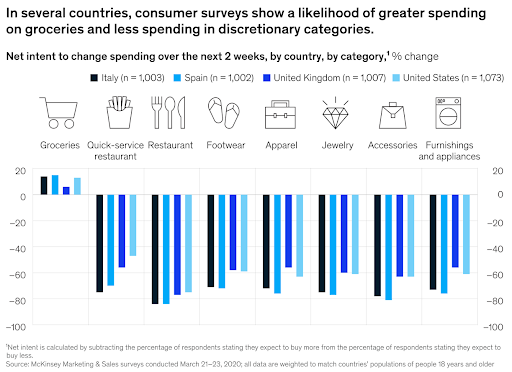
When there is such economic uncertainty, consumers tend to shift their focus away from luxury goods to more value-oriented products, which has been to the benefit of consumer goods companies. Research carried out by McKinsey provides further evidence of this. Purchases on nondiscretionary products such as food, household and personal care products have increased, whereas discretionary product purchases, such as apparel and furnishing have dropped. In fact, consumer surveys have shown that groceries are the only goods where spending is likely to increase.
As a result of these trends, the FTSE All Share Consumer Goods sector benchmark has seen a relatively modest fall of -9%since the start of the year, as opposed to a -19.5% decline in the FTSE All Share. However, performances across the industry groups within the Consumer Goods sector have varied substantially.
This article will examine the Consumer Goods sector and its industry groups in detail, highlighting the performances of the industries so far. The article will also assess the industry groups from a valuation perspective and take a look at the top-ranking stocks within the sector to gauge how these companies are responding to the changes that the pandemic has brought about.
Performance of the Industry Groups
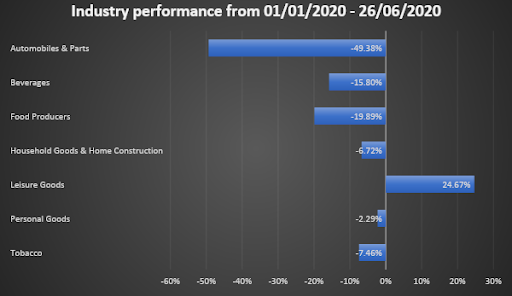
As can be seen from the table above, the Automobiles & Parts industry group has been by far the worst performer of the Consumer Goods sector, collapsing by -49.38%.The short-term impacts of car factory closures and potential supply chain issues, in addition to the long-term structural changes in the way people will travel moving forward, has pointed towards a very bleak outlook for the industry.
Though the FTSE All Share Automobiles & Parts benchmark only tracks the performance of Aston Martin Lagonda Global Holdings and Ti Fluid Systems, the performance of automobile manufacturers across Europe and the US has been similarly poor. According to SMMT, UK car registrations plummeted by -89%in the month of May, when compared to May 2019. Furthermore, the looming uncertainty over Brexit negotiations could act as further negative catalyst for the Automotive industry in the UK.
Rather surprisingly, the Food Producers industry has been the second worst performer since the turn of the year. Again, it seems that food manufacturing plant closures, to accommodate for new safety and social distancing measures, has produced downward pressures on revenues. Bakkavor, which manufactures freshly prepared foods in the UK, US and China, for the likes of Starbucks, KFC and Pizza Hut recently announced that like-for-like revenue in the 5 months ending May were 5% lower than last year, largely as a result of supply chain issues.
UK based convenience food producer Greencore has also highlighted another issue for the Food Producing industry. In a recent trading update the company stated that “There has been a marked reduction in demand for the Group's food to go categories in grocery retail”.
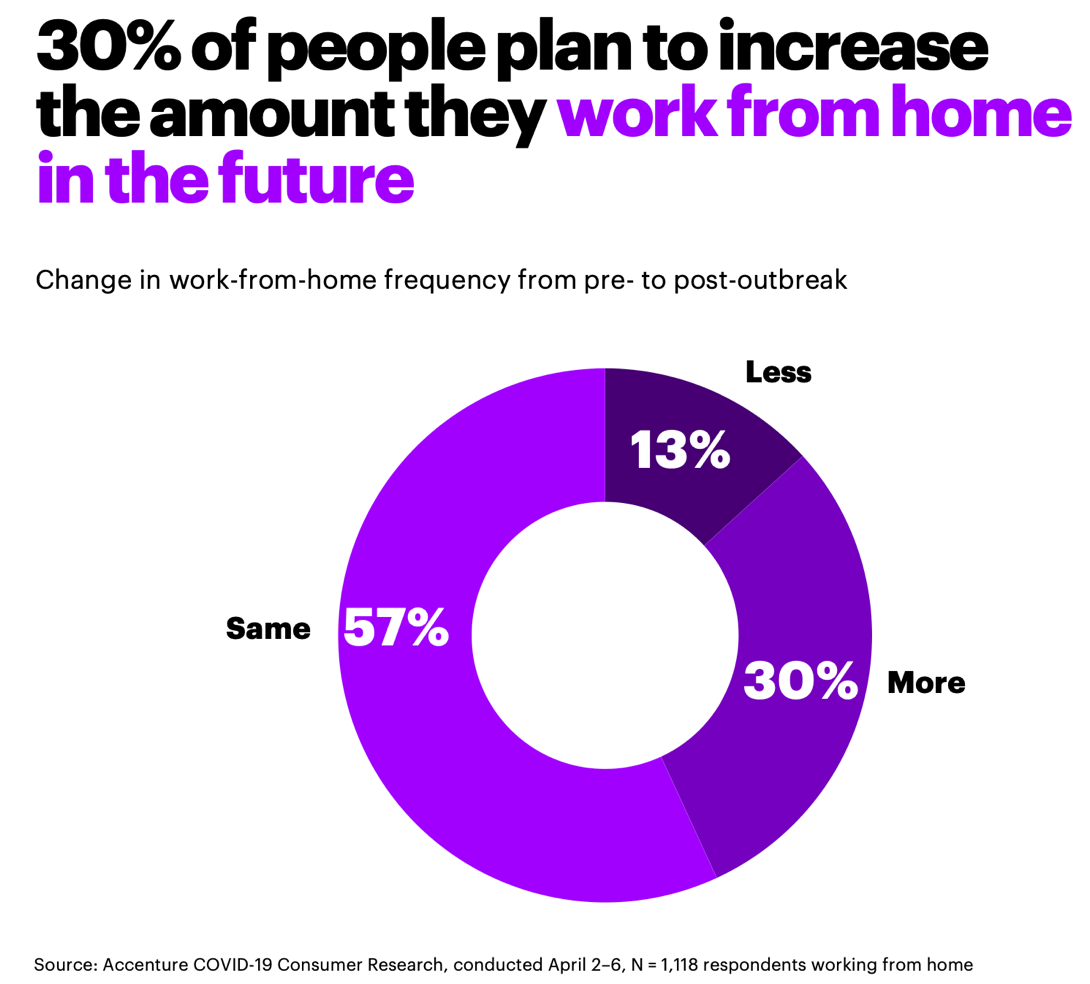
Analysis of work trends, as shown by the Accenture consumer research below, shows that 30% of people plan to increase the amount they work from home in the future. Bearing this in mind, the popularity of food to go may continue to subside. These unfavourable announcements have led to the share prices for Bakkavor and Greencore halving.
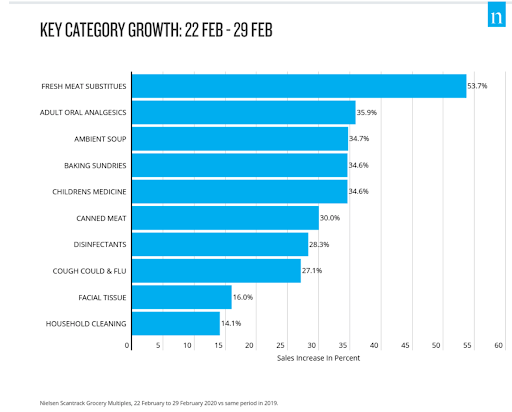
However, as consumer eating habits change, other companies stand to benefit. Mr Kipling owner Premier Foods has been one of these, with its share price surging 77.4%since January. The company has just reported a 20% jump in sales in the first quarter of this year as a result of consumer stockpiling. Profits are now expected to beat expectations this year.
The Beverages industry has also suffered since the start of the outbreak. The industry benchmark has dropped -15.8%, which is more than the sector average. Similar to the Food Producing industry, the Beverages industry has been adversely affected by changing consumer habits. Fewer consumers are buying drinks on the go and the increase in ‘at home’ consumption is failing to make up for this. Companies such as Britvic and A.G. Barr have reported that the longer the traditional retail and hospitality channels remain closed, the more sales will continue to drop.
The closing of bars and restaurants has also affected alcoholic beverages giants such as Diageo, which has reported that the closure of on-trade premises around the world has significantly affected sales. In Europe alone, these channels account for 50% of net sales. Though these premises are in the process of re-opening around the world, it also seems likely that in the event of resurging cases, restaurants, bars and nightclubs will be some of the first to shut down again. This is proving to be the case in the states such as Florida, Texas and California in the US and could further reinforce the negative outlook for the industry going forward.
The FTSE All Share Tobacco benchmark mirrors the performance of tobacco titans, British American Tobacco and Imperial Brands, with the companies’ share prices falling -4.76% and -18.68% respectively. Imperial Brands seems to have been more affected, as consumers have opted for cheaper cigarettes rather than premium brands. With airports slowly re-opening, the companies should both benefit from duty free sales in the coming months.
British American Tobacco seems better placed in the current environment, with its ‘New Categories’ division, which offers vapour and heating tobacco products, performing well. Though the lockdown has impacted upon revenues, the industry seems to have adjusted well, with supply chains intact and consumer demand resilient. It remains to be seen where scrutiny over vaping will lead.
So far, the Household Goods & Home Construction industry has been stable, with a -6.72%fall below the sector average. The best performing constituent has been health, hygiene, post-natal and home products manufacturer, Reckitt Benckiser. The company, which owns well-known brands such as Cillit Bang, Dettol, Strepsils and Durex has greatly benefited from the stockpiling trends that have emerged as a result of the pandemic.
However, some housebuilders havefared considerably worse. Companies such as Vistry, Crest Nicholson and Redrow have all experienced declines of -40% or more since the start of the year. However, with interest rates set to be kept ultra-low for the years to come, this could provide a further boost to housebuilders over the longer-term.
Although the Personal Goods industry group benchmark has fallen by -2.29%since the start of the year, it is the second-best performing industry group of the Consumer Goods sector. This has been mainly thanks to the strong performance of fast-moving consumer goods giant Unilever, which, once again, has benefitted from consumer stockpiling and the purchase of more ‘stay at home’ use products.
The fortunes of other Personal Goods companies, such as Ted Baker and Superdry, have been a far cry from the successes of Unilever though. Both companies have seen their share prices plummet by over 70% over the past 6 months. The heavy reliance on in-store sales has proved costly, with Ted Baker seeing revenues drop 36% or the 14-week period to 2nd May and Superdry 37% in the latest quarter. These companies, which were already experiencing difficulties prior to the pandemic, will need to reform their business models if they want to succeed moving forward.
The top performing industry group, by quite some distance, was the Leisure Goods industry, soaring 24.67%. The gains can be mainly attributed to the continued astonishing performance of fantasy miniature figurines manufacturer Games Workshop, which very recently updated the market to announce that the recovery since its shops have re-opened has been ‘better than expected’. With further reopenings expected over the coming weeks, this could add further momentum to the recovery, though it is worth noting that the company is now trading at just under all-time highs.
Valuation of the Industry Groups
Industry Group | |||||||
Median Ratio (Forecast) | Automobiles & Parts | Beverages | Food Producers | Household Goods & Home Construction | Leisure Goods | Personal Goods | Tobacco |
P/E Ratio | 14.55 | 19.41 | 11.86 | 10.12 | 23.54 | 19.78 | 7.55 |
EPS Growth | -16.63 | 1.12 | 17.04 | -1.64 | 1.2 | -5.48 | 8.19 |
Dividend Yield | 3.56 | 3.12 | 3.25 | 4.72 | 7.84 | 3.04 | 8.45 |
For value investors, it may be worth taking a closer look at the Tobacco, Household Goods & Home Construction and Food Producing industries in closer detail. A forward P/E ratio of 7.55, 10.12 and 11.86 respectively are all attractive and cheaper than the sector average forward P/E of 12.83. The Leisure Goods (23.54), Beverages (19.41) and Personal Goods (19.78) industries look more expensive on a median forward P/E basis.
Food Producers and the Tobacco industry are also expected to see high rates of EPS Growth. Median forecast EPS growth is estimated at an impressive 17.04 for Food Producers and 8.19 for Tobacco companies. In times of uncertainty, food & tobacco can be pretty reliable defensive options for an individual’s portfolio, with these rates of growth hard to come by in the current climate. Companies within these industries may warrant further research.
The Automobiles & Parts (-16.63) and Personal Goods (-5.48) industries are expected to experience the most severe EPS contractions within the Consumer Goods sector, with a clear path to growth not expected for several years.
Income investors may also be drawn to the Tobacco industry for its generous pay outs. Indeed, a forward dividend yield of 8.45%is enticing. However even these highly cash generative businesses aren’t immune to the effects of the pandemic. Imperial Brands recently cut its dividend by a third to save cash and pay down debts, though British American Tobacco has maintained its dividend.
The Leisure Goods industry, along with Household Goods & Home Construction industry both also offer attractive forward dividend yields of 7.84% and 4.72% respectively.Plenty of companies operating in the home construction industry have very strong balance sheets, with net cash positions, which should help reassure income investors of their ability to make consistent dividend pay outs.
Consumer Goods: The Top-Ranking Stocks
In this next section I will take a look at the top 3 ranking stocks from the Consumer Goods FTSE All Share sector benchmark.
Tate & Lyle (LON:TATE) – Food Producers
Share Price: 669.2p
Market cap: £3.13b
StockRank: 97
Speciality Food Ingredients and Bulk Ingredients producer, Tate & Lyle, has largely withstood the negative impacts of the pandemic and recently posted strong annual results. Over the past year, the company has managed to grow revenues, profit before tax and free cash flows. Its free cash flow generation now stands at an impressive £247m, putting the company in a comfortable position to perhaps expand operations organically, acquire competitors and strengthen its market position, or return surplus cash to shareholders.
The company seems to be operating in an industry which is seeing secular demand growth. The Chief Executive, Nick Hampton, has stated that “Our high-quality portfolio of ingredients and solutions enable consumers to enjoy healthier and tastier food products and drinks. Demand for these products is growing and this trend is here to stay”.
With the full year dividend maintained and the company currently offering a 4.36% forward dividend yield, it is easy to see why its share price has appreciated by 26.22% since its end of March lows.
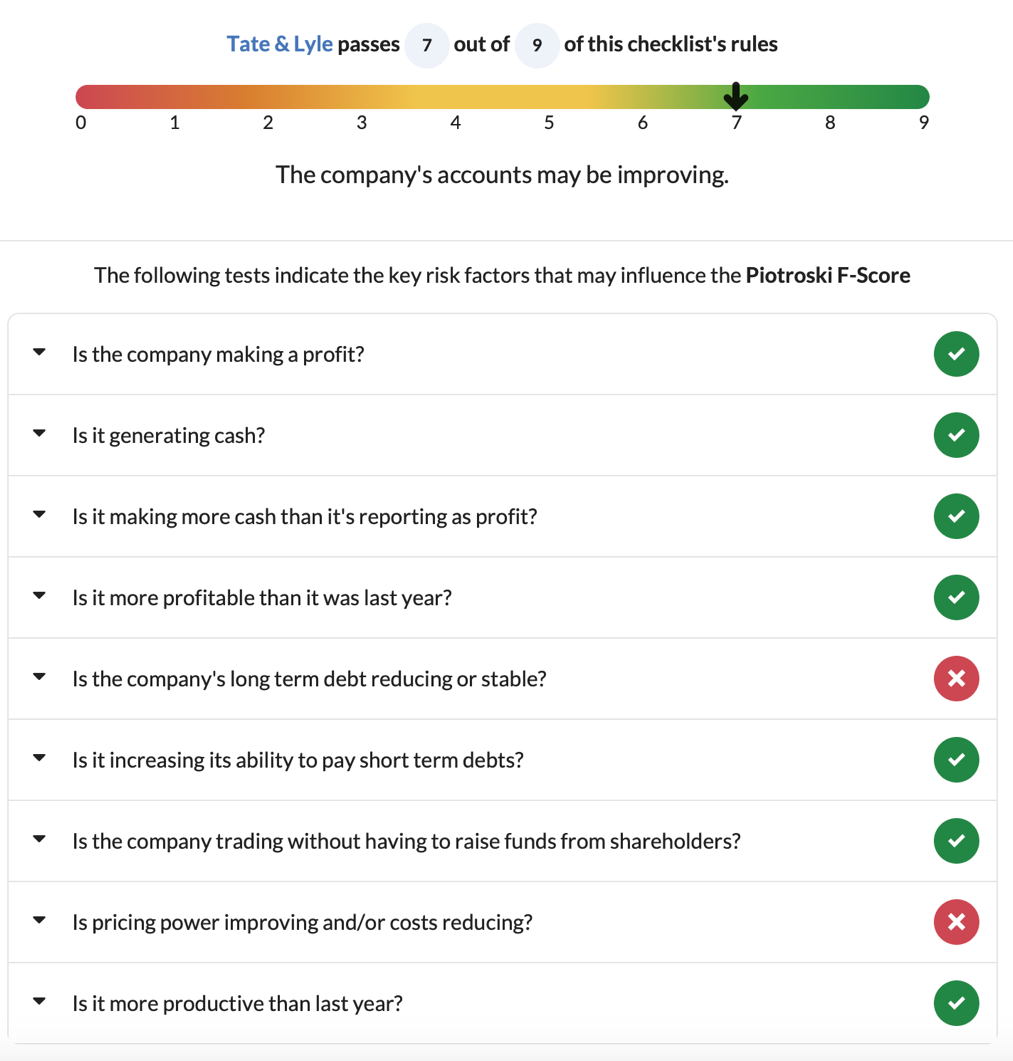
Tate & Lyle’s quality characteristics are amongst the best in its industry and it continues to improve its financial health. A Piotroski F-score of 7 out of 9 highlights the amelioration of the company’s profitability, liquidity and operating efficiency metrics. The company’s all-round Quality Rank currently stands at 86.
Stock Spirits (LON:STCK) – Beverages
Share Price: 235p
Market cap: £470m
StockRank: 97
UK based spirits company Stock Spirits Group, which produces and distributes branded spirits to over 40 countries worldwide, has nearly doubled its share price over the last 3 months after its strong first half results. The company recently reported a 25.6% increase in first-half earnings,largely as a result of increased consumer stockpiling. Though the pandemic has provided a boost to its off-trade channel sales, the looming tax hikes in its biggest markets of Poland and the Czech Republic have also increased consumer stockpiling.
Although the closure of restaurants, bars and clubs has affected revenues, the company generates 85% of its revenues through the retail off-trade channel. The company is also now generating additional revenue streams from the production of hand sanitiser. EBITDA has been steadily improving as a result of the careful management by the company. Chief Executive, Mirek Stachowicz has reaffirmed “our long-standing focus on the off-trade, our broad portfolio of local brands, and our strategy of sourcing and manufacturing our products locally, it has had a minimal impact on our operations to date”.
Despite the share price surge, the company maintains an inexpensive P/E ratio of 12.7, which is much lower than the industry average. With earnings forecasted to increase over the coming years (forward EPS Growth forecast 6%) and uncertainty over hospitality re-openings, the company is well-positioned to benefit from the recent trends.
Persimmon (LON:PSN) – Household Goods & Home Construction
Share Price: 2283p
Market cap: £7.28b
StockRank: 96
Persimmon is the UK’s second largest housebuilder by the number of houses sold. The company has been a strong performer in recent years, boosted by the Government’s help-to-buy scheme and a period of sustained low interest rates. However, the construction industry came to an abrupt halt when the pandemic struck and cancellation rates for new homes have increased.
Despite the short-term issues surrounding the construction industry, Persimmon maintains a forward sales position of £2.4bn. To navigate the current climate, the company also has a net cash cushion of £600 million that it can fall back on (as at 24th April 2020).
With the company’s sales offices re-opening last month and most construction sites having seen a return to work at the end of April, combined with the fact that enquiries have remained at good levels throughout the lockdown, the outlook looks much more favourable in the medium-term.
From a fundamental perspective, Persimmon boasts some of the best quality characteristics in not just the industry but the entire sector. It ranks among the top decile across all quality metrics.
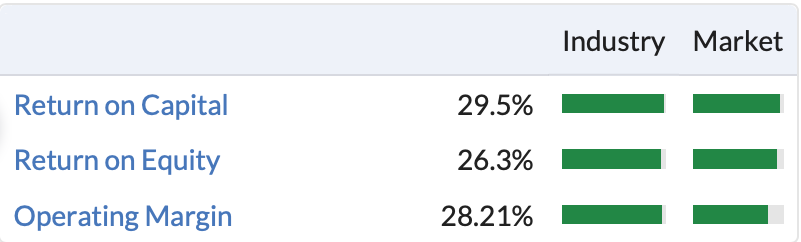
The Sage of Omaha, Warren Buffett, typically looks for companies that can provide consistent returns on capital and returns on equity of over 20%.Over the past 6 years, Persimmon has consistently averaged above 20% for both of these measures, as can be seen by the financial summary below.
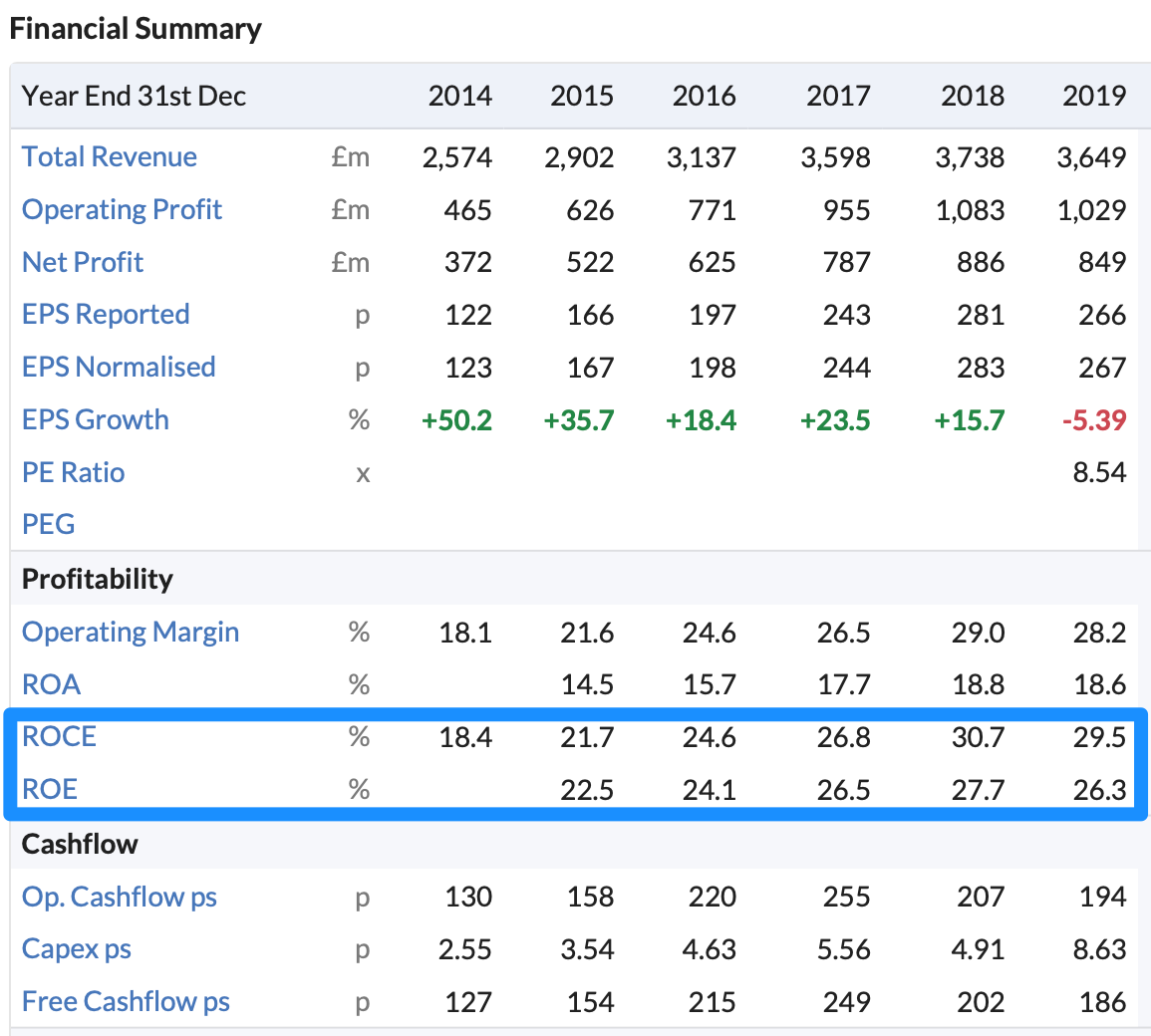
The -16.37% fall in the company’s share price since the start of the year may offer investors an attractive entry point. The current forward P/E stands at 11.7 and the dividend yield at 5.71%. Though uncertainty remains over the outlook for the construction industry, Persimmon’s strong balance sheet and income generation should see the company emerge in a stronger position in the longer-term.
Conclusion
Whilst the Consumer Goods sector as a whole has remained strong when faced with the wide-ranging impacts of the pandemic, the disparities amongst the industry groups has been profound. In the Automobiles & Parts industry, an estimated 1 in every 6 employees will be made permanently redundant and the industry will most likely never recover, whereas leisure goods and tobacco companies are expected to grow next year.
Food Producers are having to change their product focus, a trend which will likely be made permanent, as more and more people work from home. Beverage companies are also going to need to find new innovative ways to market their products so that consumers buy them for home use and not on the go.
After carrying out the research on the performance of the industry groups, I also noted that size, the reliability of supply chains and access to liquidity were equally important in determining how well companies performed.
In the Consumer Goods sector, larger sized companies, with complex but diversified logistics and supply chains, along with prime access to capital markets, have performed substantially better than their peers, regardless of the industry group.
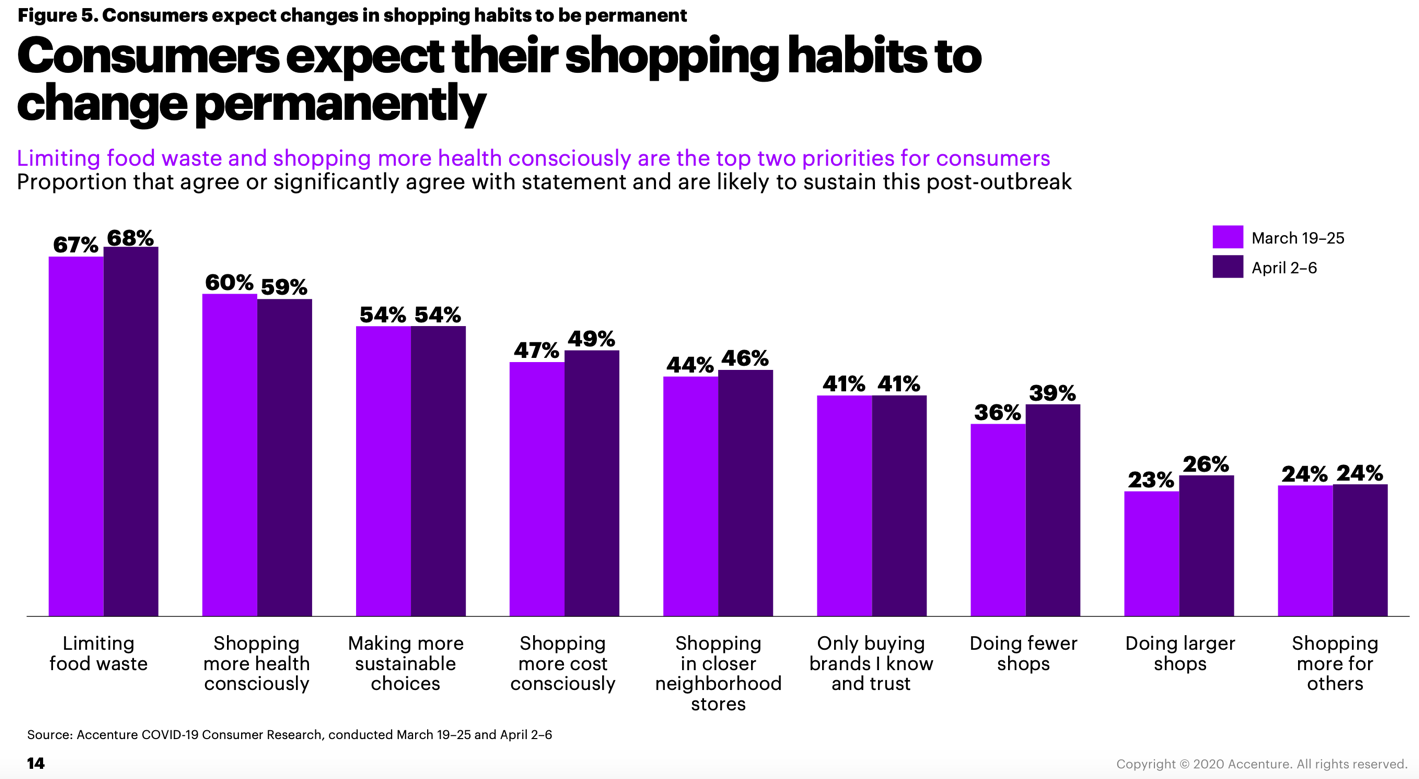
Consumer habits will permanently change as a result of this pandemic. It is up to Consumer Goods companies to identify these changes and respond to them in the best way they possibly can if they want to emerge as market leaders in a post-pandemic world.
Disclaimer
This is not financial advice. Our content is intended to be used and must be used for information and education purposes only. Please read our disclaimer and terms and conditions to understand our obligations.
5 comments
yes thanks Keelan...interesting details well put...especially re food producers...
Some really interesting analysis there - thank you, think I’ll take a closer look at Persimmon as a potential long term hold.
Thank you for a well researched article. I shall watch Tate & Lyle (LON:TATE) closely
Very useful write up, particularly for for new Stockpedia subscribers such as myself. Quick question, I notice that the Value and Momentum figures for Persimmon are greyed out - what does mean? Thanks.
It just means that their values are between 20 and 79. 80 and above is green and below 20 show red.