Covid-19 Sector Reviews: Technology

One of the few sectors to have emerged in a stronger position as a result of the Covid-19 pandemic has been the Technology sector. Around the world, tech focused indices and equities have significantly outperformed the broader markets. Whilst revenues and sales have plummeted across most sectors and industry groups, Software & Computer Services and Hardware & Equipment providers have benefitted from increased uptake from individuals and businesses alike.
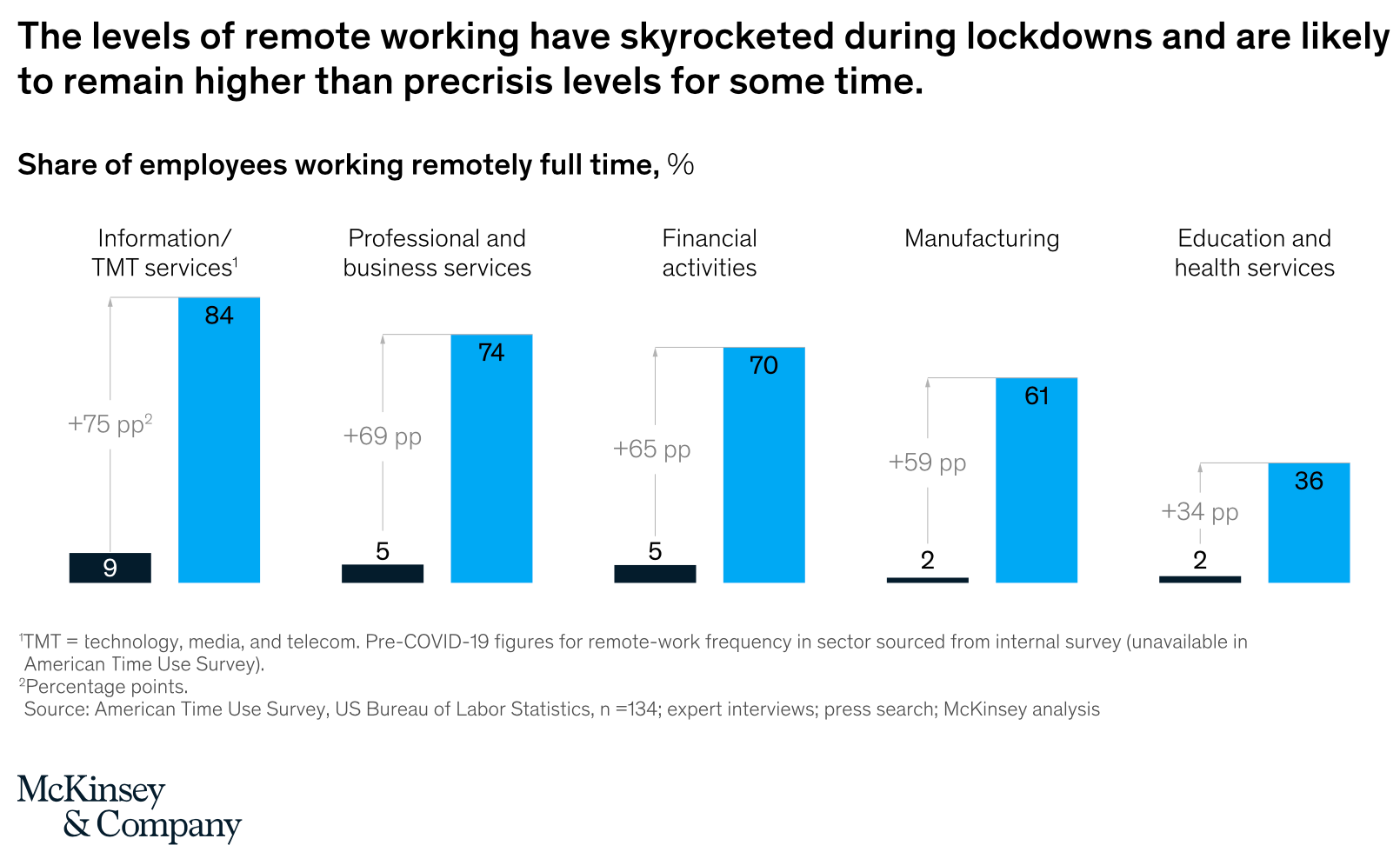
The pandemic seems to have accelerated the secular growth trends in the Technology sector. Boosted by work from home, technological adoption has reached new heights in recent months and this trend looks set to continue for the foreseeable future. The speed of the digital adoption has been so quick that we have effectively made 5 years’ worth of progress in roughly 8 weeks, according to research by McKinsey.
However, whilst US Tech and the Nasdaq have reached all-time highs, the UK Technology sector hasn’t performed quite so well. The FTSE All Share Technology benchmark has fallen -3.67% since the start of the year, far better than the -20.16% that FTSE All Share has returned, but substantially worse than the Nasdaq’s 25.92% appreciation. Though the Nasdaq offers greater variety and exposure to tech industries, UK Tech may be comparatively undervalued.

This article will examine the impacts of the pandemic on the Technology sector and discuss the performance of the industries within the sector in more detail. The article will also assess the industry groups from a valuation perspective and evaluate how the top-ranking stocks in the sector are rapidly evolving to cope with the effects of Covid-19.
Performance of the Industry Groups
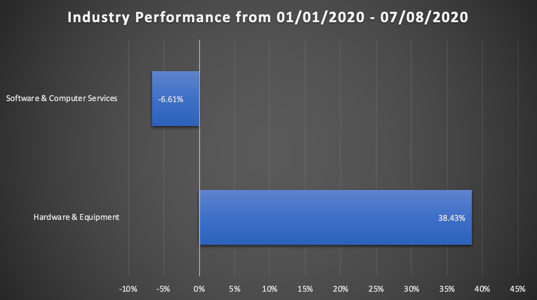
The performance of the Software & Computer Services industry group has been underwhelming so far this year, falling by -6.61% overall. Some companies in the industry have greatly suffered from contracts deferrals by their clients, who have been more significantly impacted by the pandemic. The knock-on effects of such actions have taken their toll on Micro Focus International in particular, with its share price down by over 70% since the start of the year. The company recently reported a statutory operating loss from continuing operations of $906.7 million for the six months ending April 30 as new sales activity has also been disrupted in addition to the existing contract deferrals.
Intelligent language and content company SDL has also suffered, with the company expecting that there will be a reduction in sales across Language Services and SDL’s technology business in the coming quarters. Education technology specialist RM has also seen its revenues and operating profits fall by 17% and 57% respectively, as a result of school closures and exam cancellations. Even with the ever-growing need for software and digital implementation, the industry is not immune to the effects of the pandemic.
On the other hand, the top performer in the Software & Computer Services industry, Kainos, has reported that its revenues and earnings will be “substantially ahead of current consensus forecasts”. The principal reasons for this have been cited as the on-going demand for its digital services technology from the NHS (including involvement in NHS Home Testing Services) and the Public Sector. This is something key to look into when looking at contractual work in any sector. Although the margins on public sector contracts are often lower than in the private sector, they can be extremely lucrative due to the total size, number of years and reliability of the contracts.
Cyber security firm, Avast, which has recently been promoted to the FTSE 100 has been another strong performer in the Software & Computer Services industry. The company has benefitted from the increase in working from home trends, with desktop conversion rates and billings improving. Nevertheless, the company has still reported that it is facing some adverse impacts due to lower advertising spend by certain sectors, affecting its Avast Secure Browser and mobile advertising channels.
The Hardware & Equipment FTSE All Share industry group benchmark has appreciated by a staggering 38.43% since the start of this year, but this is derived from the performance of its only two constituents: Spirent Communications and BATM Advanced Communications.
Spirent Communications has seen its share price rise by 41.56% so far this year after reporting strong trading in its first-half results. Revenues were up 7%, and profits almost doubled compared to the same period last year as a result of increased 400G Ethernet test performance uptake and continued 5G acceleration (which will be discussed in more detail later on).
BATM Advanced Communications’ performance has been even more impressive, with its share price nearly quadrupling in value since January. The company, which operates a networking solutions division and bio-medical division, recently reported that its full-year revenues would be at least 25% higher than last year and “materially higher than market expectations” as would its EBITDA. This largely due to the stellar performance of its Bio-Medical division, which has successfully developed antigen and antibody testing kits, in addition to critical care ventilators. Though lockdown impacted on its networking & cyber division contracts the company now expects the impact to be minimal. Finding companies with exposure to these crucial health & tech industries could be a great way to pandemic-proof one’s portfolio.
Overall, both software & hardware companies are likely to emerge as real winners from the Covid-19 pandemic. Businesses are placing large orders for PC’s and other hardware devices in order to facilitate remote working for their employees. Software implementation, upgrades and cyber security really goes hand in hand with this. The industries are also likely to benefit from the continued development of new technologies such as AR/VR, robotics and Artificial Intelligence.
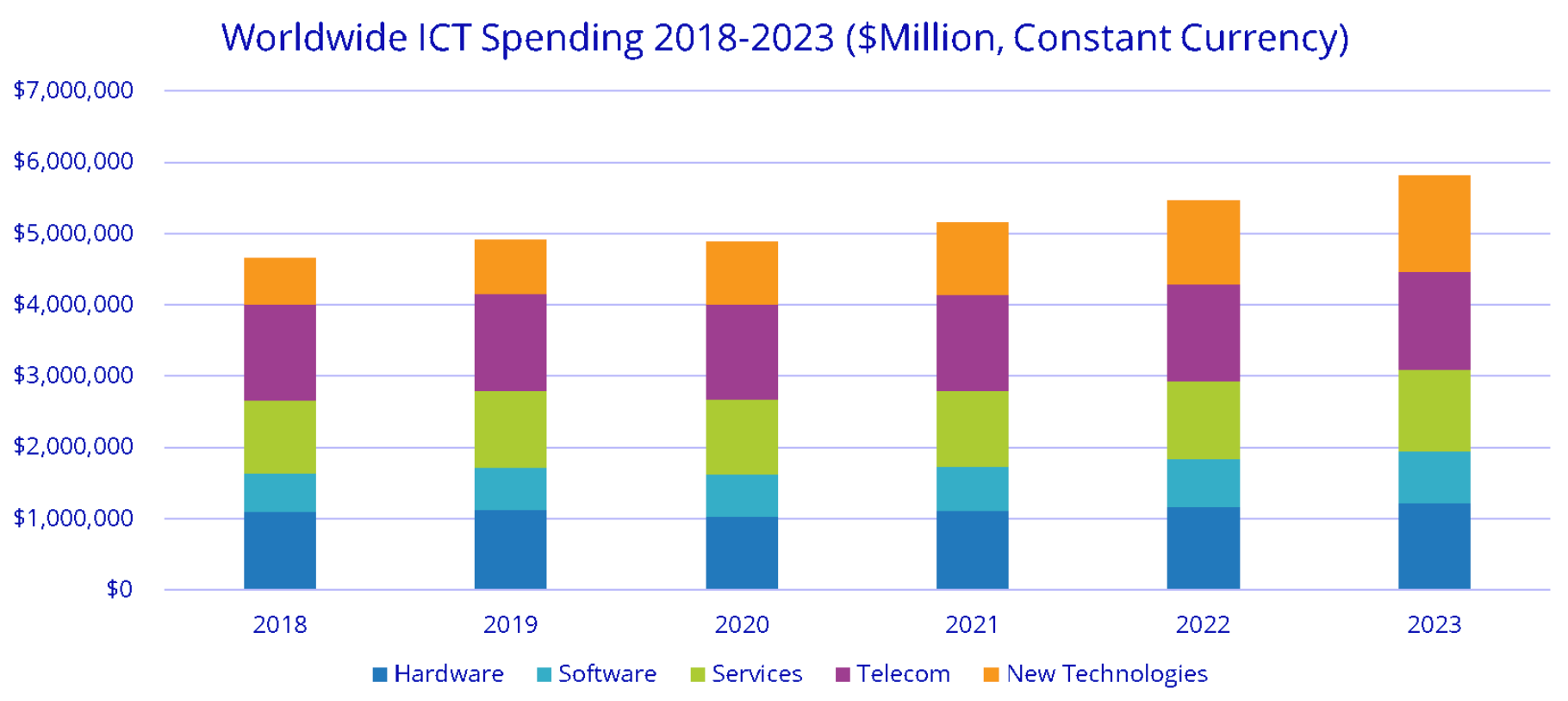
Source: IDC
Furthermore, although there might have been a short-term hit from new hardware product & infrastructure delays, caused by supply chains disruptions, this could provide additional momentum in the coming year.
Valuation of the Industry Groups
| Industry Group | |||
| Median Ratio (Forecast) | Software & Computer Services | Hardware & Equipment | |
| P/E Ratio | 28.05 | 76.75 | |
| EPS Growth | 4.97 | 11.22 | |
| Dividend Yield | 1.99 | 1.49 |
As is often the case with tech companies, the valuations can appear to be quite stretched. Price to Earnings ratios of over 100 are not uncommon in such a sector. Tech companies often grow at rates far superior to other sectors, but this inevitably means that a premium must be paid for this growth.
It can be a good idea to take a look at the PEG ratio for individual equities in the Tech sector. This will give you a better idea of the value of a particular company when compared to its earnings growth.
Following on from this theme, we can see that the median forecast P/E Ratio for the Software & Computer Services industry currently stands at 28.05 compared to 76.75 in the Hardware & Equipment industry. You could deduce that the software industry offers better value. However, the median rate of forecast EPS Growth is relatively small, at 4.97% for this industry, whereas it more than doubles at 11.22% for Hardware & Equipment services.
The Tech sector isn’t known for its generous dividend pay outs, with companies often preferring to re-invest existing cash flows into growing their businesses. This is reflected by the forward dividend yield of 1.99% for the Software & Services industry and 1.49% for the Hardware & Equipment industry.
It is worth remembering that key performance indicators vary greatly from sector to sector. Whilst profits may not be prioritised, for a tech-start up for example, conversion rates, lead generation, or average revenue per customer might be more important. It is worth reading through trading updates, interim and annual results to get a good idea of a company’s objectives and how it is performing against these metrics.
Amazon posted losses for 17 consecutive quarters in its early years, amassing losses worth $2.8 billion. It took Facebook 5 years before it made any kind of profit. Tesla only just posted its third consecutive quarter of profits. These are some of the largest and most successful companies in the world now. It is worth spending the time to research the relevant industry metrics to avoid missing out on potential future stars.
Technology: The Top-Ranking Stocks
In this next section, I will take a look at the top 3 ranking stocks from the Technology FTSE All Share sector benchmark.
Computacenter (LON:CCC) – Software & Computer Services
Share Price: 2012p
Market cap: £2.30b
StockRank: 96
Computacenter provides IT infrastructure services to a whole range of customers across the UK & Europe. The company assists its customers achieve their goals through the careful implementation and management of systems which cater for security, workplace, datacenter, network, user productivity and service desk needs. The company’s current client list includes the likes of Amazon Web Services, Heathrow Airport, the Royal Mail, Paddy Power Betfair and UBS.
The company recently reported in its most recent trading update that “adjusted profit before tax in the first half of 2020 has turned out to be substantially ahead of the same period last year”. They highlighted that the surging demand for IT equipment to enable home working has considerably helped the company’s performance and more than offset any impacts from their industrial clients.
From a fundamental perspective, everything looks quite encouraging. The Quality and Momentum Ranks currently sit at 97 and 95 respectively. The company has been consistently increasing its revenues and its profits, despite having a record-breaking year last year. There is net cash on the balance sheet and the company is still paying a dividend.
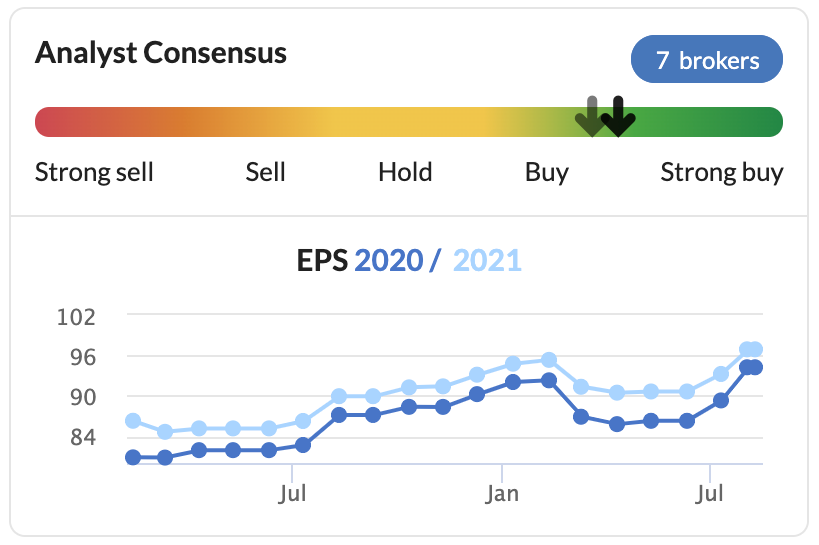
Earnings and sales growth have been particularly impressive in recent years. On a compound basis, sales have grown at 15.9% whilst earnings per share have surged 24.5% per annum over the last 3 years. Earnings are growing so quickly that brokers are having to revise their forecasts upwards, as can be seen by the analyst consensus below.
Spirent Communications (LON:SPT) – Hardware & Equipment
Share Price: 302.85p
Market cap: £1.82b
StockRank: 92
One of the top performers in the Technology sector over the past 6 months, Spirent Communications hasn’t let the pandemic get in the way of its developments. The company has managed to secure more than 250 5G-related wins across its portfolio and has seen growing demand for its 400G Ethernet test solutions.
In the company’s half-year report, it also cited strong order and revenue growth from its Lifecycle Service Assurance business. Overall, revenues were up 7% and profits reached $39.5 million, up from $20.7 million last year. The growth in the company’s top and bottom line has allowed the company to increase its interim dividend 12%, at a time where most companies are reducing or suspending theirs.
The Chief Executive Officer of the company, Eic Updyke, stated that “Spirent has demonstrated a resilient business model at a time when remote connectivity is critical. We delivered progress across the portfolio and materially improved our profitability.”
The company looks to be in a very strong position overall. The Piotroski F-Score can be used to assess the financial health of a company, and Spirent scores an impressive 8 out of 9 on this measure. Profitability, liquidity, leverage and efficiency metrics are all improving. Indeed, the company’s Quality Rank stands at an astonishing 98.
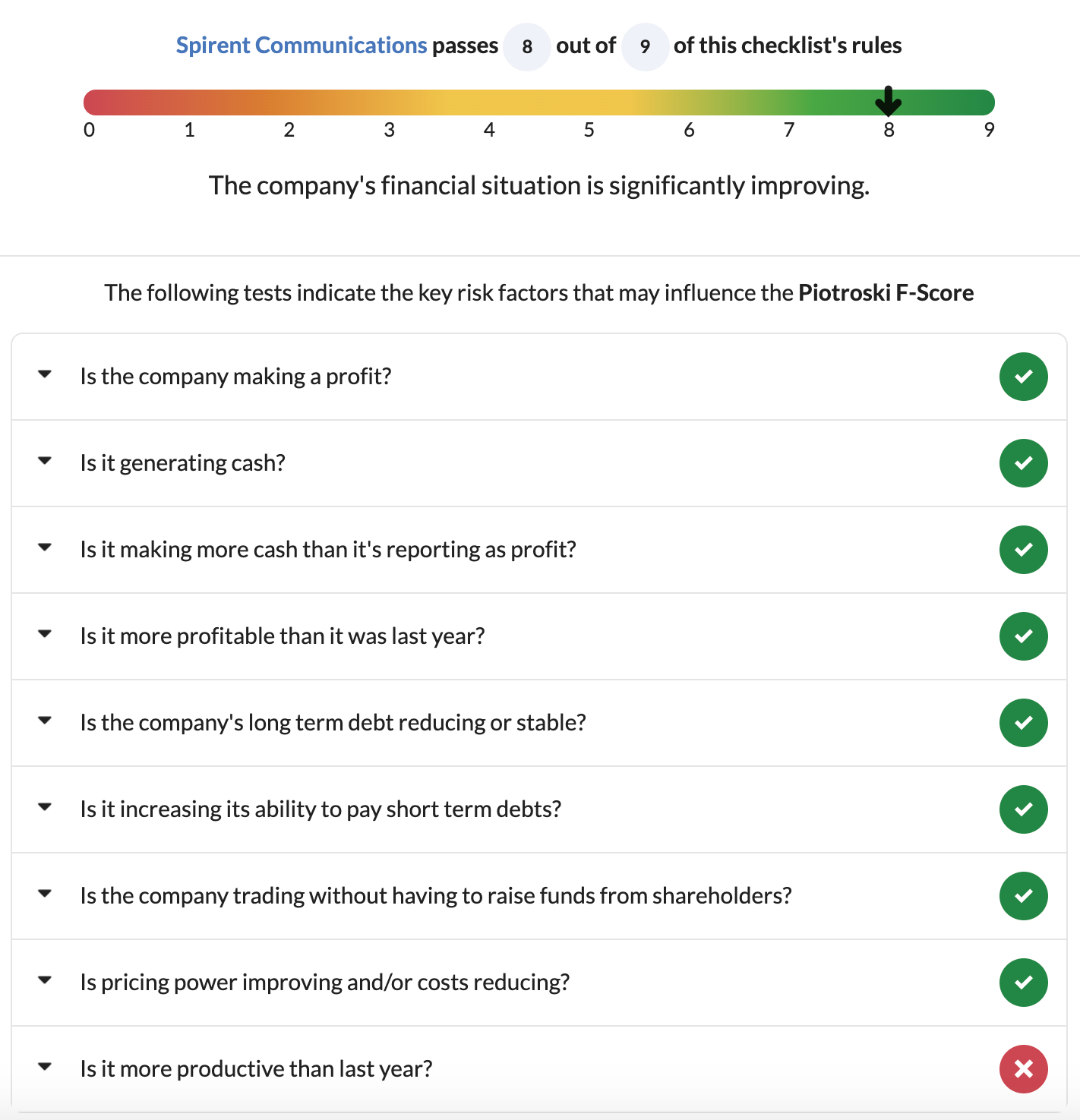
The share price has risen over the past few months to reflect the strength of the company. The 6-month relative strength is now 49.4% and the valuation is starting to look less appealing as a result. A Value Rank of 24 suggests the shares might have had their run. However, with so many new developments in the company’s key markets, the company might just continue its excellent performance.
Sage (LON:SGE) – Software & Computer Services
Share Price: 748.2p
Market cap: £8.13b
StockRank: 90
FTSE 100 listed Sage is one of the leading providers of accounting, finances, payroll, payments and operations services to small and medium sized businesses around the world. The company currently has over 3 million customers using its Sage Business Cloud platform. A recent study carried out by Forrester Consulting found that the average mid-sized company using Sage’s Business Management Solutions, Sage 100cloud, could expect to see a three-year return on investment (ROI) of 176% or benefits totalling a net present value of $567,523 in 3 years.
A trading update in July confirmed that the company has continued to perform well throughout the pandemic. Total revenue has increased by 4.1% in the first 9 months of the company’s trading year, to £1,395m. Software subscription growth has also risen by 22.6% over this period, as the company continues its focus on migrating existing customers and attracting new ones to its Sage Business Cloud platform.
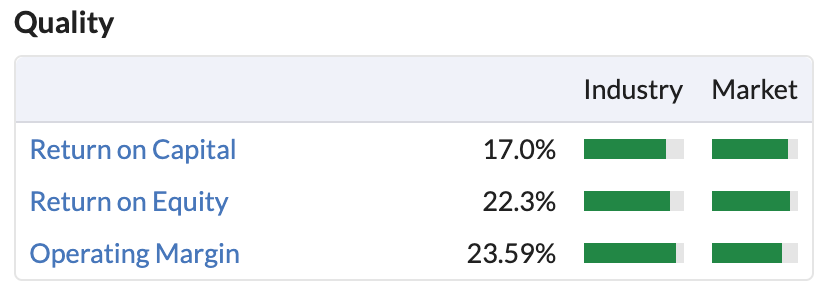
The company boasts some industry leading quality metrics. The return on capital currently at 17%, whilst the return on equity and operating margins have averaged over 20% over the past 5 years.
Despite the company has maintaining a cautious outlook, the share price has continued to surge ahead. The shares seem to be in a strong uptrend, with the price currently well above the 50 day and 200 day moving averages.
Conclusion
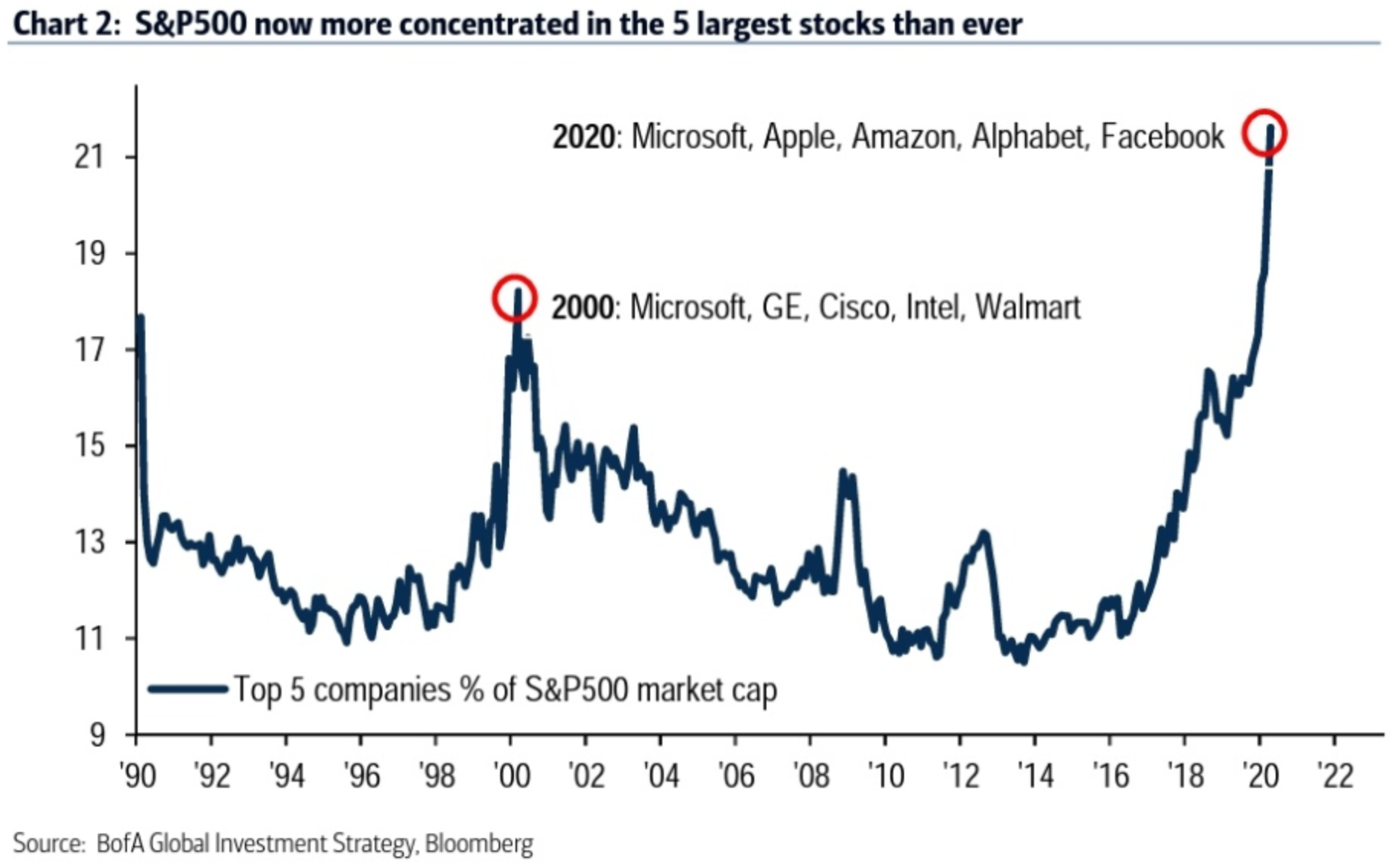
Whilst the UK Technology sector hasn’t risen to the same heights seen across the pond, this might offer investors a better chance to extract value from the UK markets. Some US Tech valuations seem excessive, to put lightly, and despite the impressive earnings figures, the risk-reward dynamics are perhaps starting to weigh to the downside.
The development of a vaccine is also likely to affect investor sentiment with regards to the tech sector. Russia announced its first approved vaccine today and whilst most global markets are up, the tech focused Nasdaq futures are down. Tech has been one of the few sectors to benefit from the work from home lifestyle changes that have had to be made to combat the virus. A successful vaccine and subsequent return to normalcy could actually adversely affect the tech sector.
However, regardless of the successful development of a vaccine, technological development and adoption is advancing at a rate never seen before. The next decade is expected to produce even more ground-breaking developments from augmented/virtual reality, robotics, machine learning, artificial intelligence and the Internet of Things. Software & Hardware companies, which pioneer these developments or are involved in facilitating these developments could do exceptionally well. 5G will also provide an additional boost to the Tech sector in the coming months and years ahead.
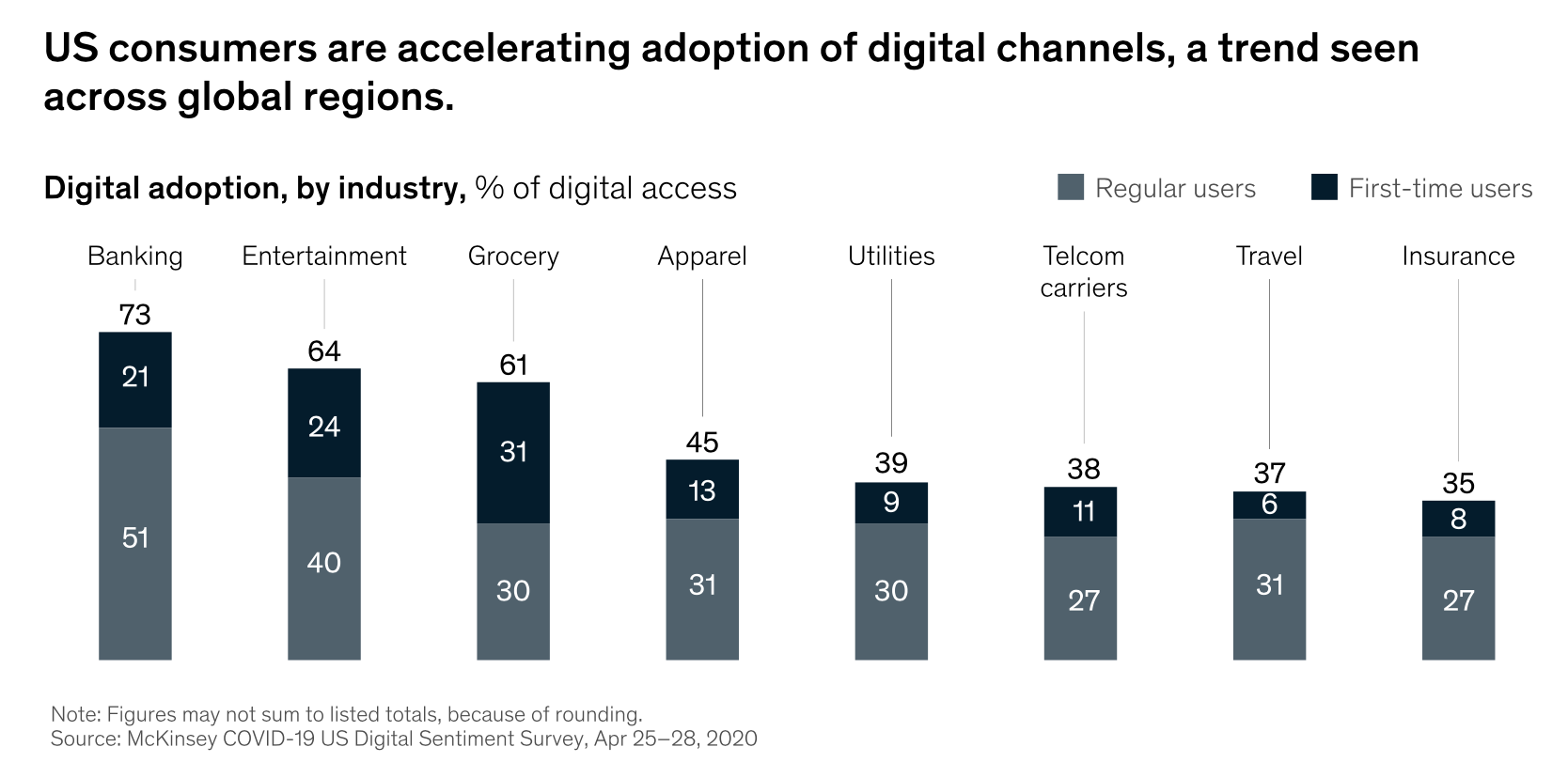
In the last 2 years alone 90% of the world’s data has been created. Over 3.7 billion people now use the internet and this is rapidly increasing day by day. Technology will likely remain at the forefront of everything we do for the few years and the sector could offer investors some intriguing opportunities over the coming decade, just as it has done in the past.
Stay safe and safe investing!
Disclaimer
This is not financial advice. Our content is intended to be used and must be used for information and education purposes only. Please read our disclaimer and terms and conditions to understand our obligations.
2 comments
Well done, Keelan. And reading your biog. at top of the page, I think you've found a great career path here, with the tremendous added advantage of having lost your money (!!) before you had enough of it to really matter! Onwards and upwards, and I look forward to reading more by you here.
excellent insight. Thank you