Earlier this week, a flurry of diplomatic activity produced a tentative ceasefire between Iran, Israel and the United States. It is unclear whether this is just a pause, or a step towards a lasting peace. My heart wants to be optimistic, but my head is telling me to expect further escalation. The geopolitical factors which produced the conflict are deep and protracted. The US has their 15-point peace plan. The Iranians have a 10-point plan. By my maths, that’s 25 points of disagreement... although I could be wrong.
If fighting resumes, it is worth remembering that many countries were already staring into the economic abyss. Governments in Sri Lanka and Slovenia limited fuel and energy use, with quotas per vehicle and electricity rationing. I had a strange sense of déjà vu, of 2020, when I watched a wave of Covid surge through China and Italy, before eventually washing over the world like a tsunami. When the Iran conflict started, I wondered how long it would take before the crisis hit the UK.
The Iran crisis was playing out like a repeat of 1973, when the Yom-Kippur war resulted in high energy prices, fuel shortages and power cuts. Wage disputes and industrial action exacerbated the situation. Businesses ran on a 3-day week. Televisions cut off at 10:30 pm.
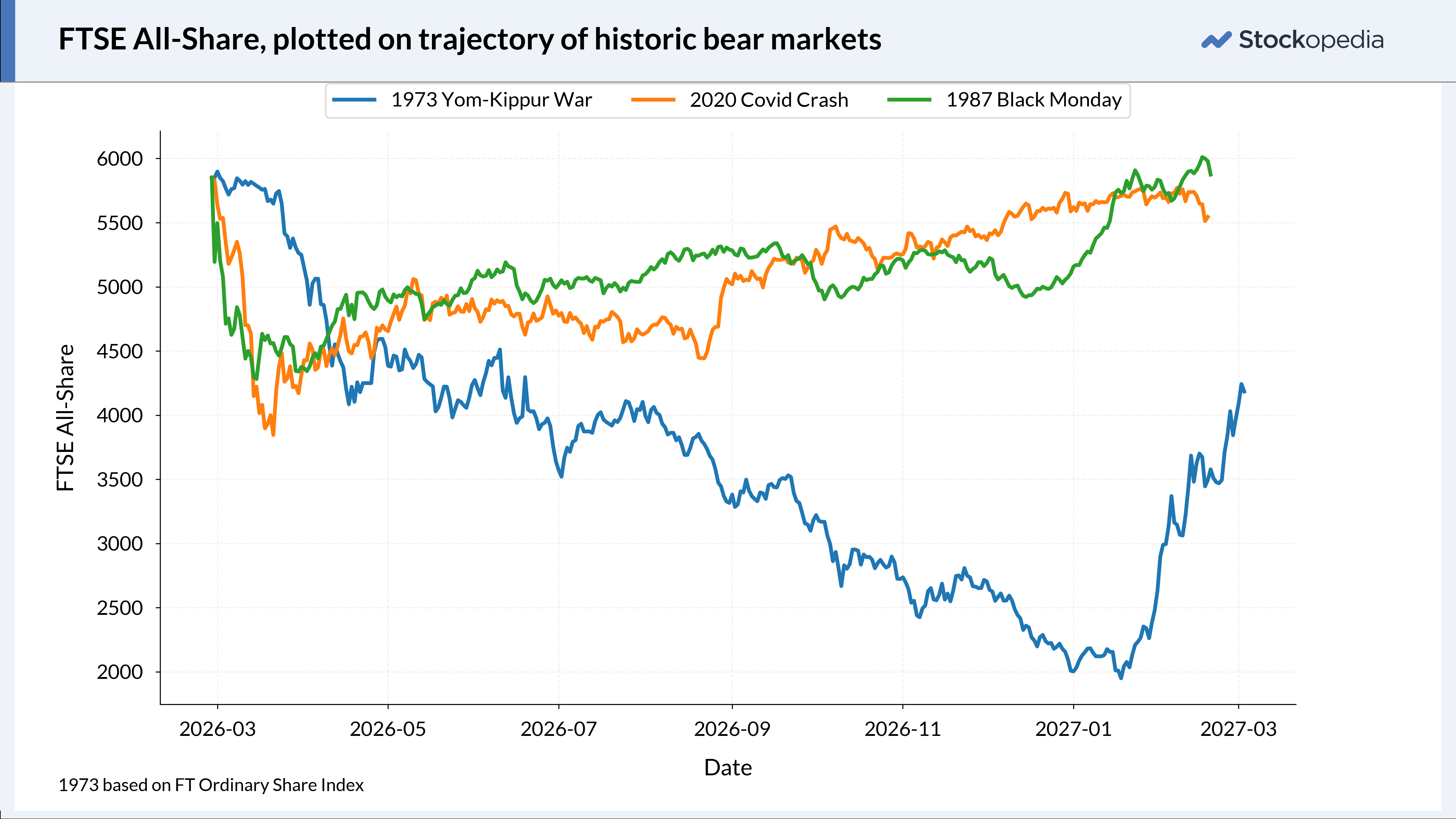
I’m not claiming to have a crystal ball, but it’s clear that we are not out of the woods yet. Israel, the US and Iran were fighting each other back in June. This could just be another opportunity to regroup, reassess and rearm.
If fighting starts again, economic risks abound. A large proportion of the world’s oil, gas and fertiliser passes through the Strait of Hormuz. The war could easily spill over into a wider macroeconomic crisis, with inflationary pressures, rising interest rates and (who knows?) a potential debt crisis.
Here are just two scenarios that could push bond yields up, making equities less attractive.
- High oil prices could force energy importers like Japan to sell US Treasuries - i.e. to raise cash for expensive oil.
- The closure of the Hormuz Strait could dry up oil revenues for Gulf economies, which would in turn be unable to deploy petrodollars into US securities.
This is all scary stuff, but at the same time, history suggests that the best opportunities arise…