Stock Brief - Taylor Wimpey (LON:TW.)

Despite the cyclical nature of housebuilders, the industry has been one of the best performers across the UK markets over the past 5 years. Companies such as Taylor Wimpey have successfully grown profits and free cash flows enabling them to solidify their balance sheets and simultaneously return large sums to shareholders in the form of generous dividend payments.
The industry is often underappreciated by the markets, with companies typically trading on low earnings multiples. Perhaps the financial crisis of 2008-2009 is all too recent in the minds of investors, but in this favourable trading environment housebuilders are cash cows. The Total Shareholder Return chart for Taylor Wimpey below highlights just how impressive the performance of housebuilders vs the wider market has been over the past decade.

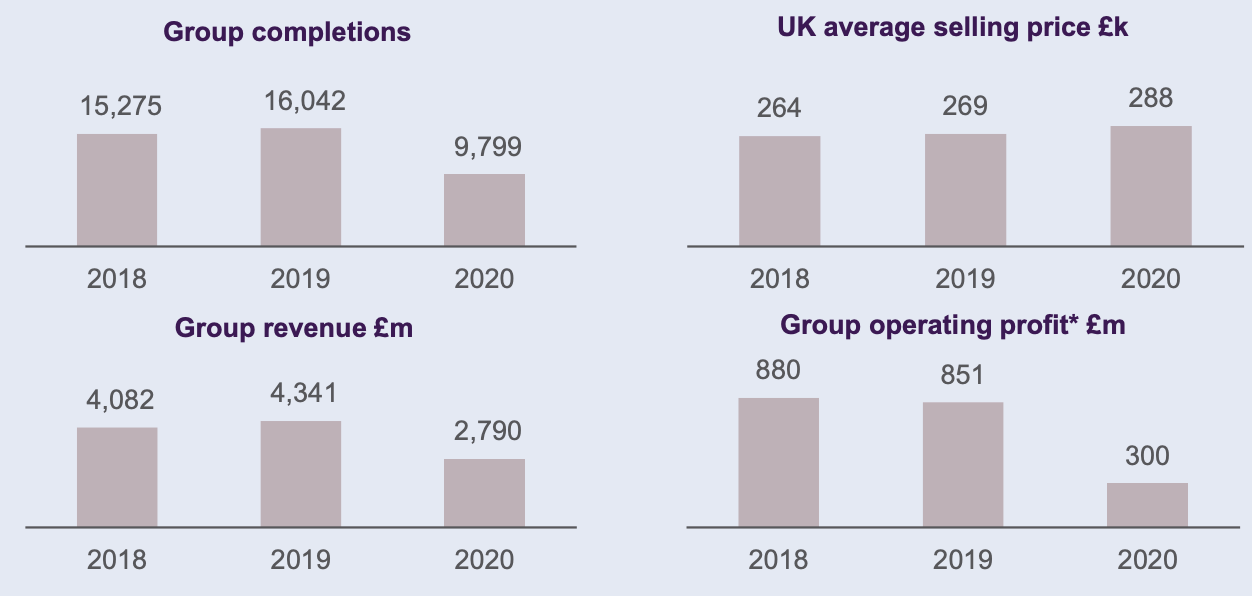
The onset of the pandemic undoubtedly impacted Taylor Wimpey’s operations and investment profile. Profitability fell by over 50%, and the company raised £500 million via a placing, however, current forecasts for full year 2021 and 2022 predict that the recovery will be swift.
Profile
What are the company's principal business activities, how does it generate its revenues?
Taylor Wimpey is one of the UK’s largest house builders and sells over 10,000 homes each year. The company operates through 23 regional businesses across the UK and also has a small division in Spain.
After acquiring land, Taylor Wimpey begins its housing developments, with the support of its subcontractors. These developments range from apartments to six-bedroom houses, with prices varying from under £70k to over £3m. Furthermore, the company also builds affordable housing across the UK, which has historically represented about a quarter of group revenues.
Size, Sector & Exchange
The market capitalisation of Taylor Wimpey stands at just over £6 billion, given the current share price of 167p.
The FTSE 100 company operates under the Consumer Cyclicals sector, in the Homebuilding & Construction Supplies industry.
Business strategy
Taylor Wimpey’s strategy and business model revolves around three key stages: Investment, Development and Realising value.
The Investment part is all about the land selection process. It’s crucial that the company secures a high quality land pipeline that has good planning prospects in attractive locations.
Taylor Wimpey raised £500 million in June last year, not just to strengthen the balance sheet, but to take advantage of opportunistic land purchases and has significantly bolstered its land bank as a result.
Development focuses on managing the community and planning process to progress projects and add value to the company’s land bank. Finally, the company Realises value by optimising the housebuilding process, focusing on providing high quality homes for sale across the business.
History & Growth
Taylor Wimpey was formed in 2007, from the merger of George Wimpey and Taylor Woodrow. Both companies have histories dating back over 100 years. Operations have steadily grown over the years, with the company now covering 23 UK bases, including:
- London and South East
- Central, South West and Spain
- Midlands and Wales
- North West, North East and Yorkshire
- Scotland
Recent News
Upcoming Board Change - Pete Redfern will step down as CEO of Taylor Wimpey after 14 years at the helm. Pete will be leaving the business as soon as a suitable replacement has been found, for which the recruitment process is said to be advanced.
Trading update - A positive trading update as Taylor Wimpey reiterated guidance for the full year 2021. The UK market backdrop remains favourable, supported by more macro tailwinds such as continued low interest rates, high mortgage availability and ongoing government support for the housing market. Importantly, the company added that house price inflation continues to fully offset build cost inflation.
Pete Redfern, Chief Executive, commented on the update: “We are pleased with performance in the second half to date, and remain on track to deliver full year 2021 results in line with previous guidance. We have been building a strong forward order book for 2022 and continue to see good demand for our homes, supported by a positive market backdrop. Despite well-publicised industry supply chain pressures, we are managing our supply chain effectively and are benefiting from our scale and strong partner relationships. We continue to see house price inflation fully offsetting build cost inflation. Looking ahead, market conditions remain supportive, and with the benefit of our strong land position we are well placed to deliver against our medium term targets.”
Catalysts
Trends & Events
House price growth is rising at the fastest rate in over 15 years in the UK. In November, the average house price reached a record high of £272,992. The shortage of available properties, combined with a strong labour market and high mortgage availability has pushed prices up by over 10% in one year.

Taylor Wimpey will also be announcing a trading update on 13th January 2022, which could provide a short-term catalyst for the share price, before results in March.
Risks
What risks does the business face?
Interest Rates - This is one of the principal risks for housebuilders and is a very real threat in the medium term, especially after the Bank of England announced a rate rise to 0.25% this morning. To avoid inflation spiralling out of control, after having already surpassed the 5% mark, interest rates will have to rise to encourage saving rather than spending. Depending on the magnitude and frequency of the rises, this could have a profound impact upon mortgage uptake as it becomes a lot more expensive for people to buy homes. At this point, housebuilders could face falling demand for their properties.
Build cost inflation - As seen across most industries, housebuilders have experienced pressures on the cost and availability of certain materials. Furthermore, the general HGV driver shortage has created logistical challenges and delays. Taylor Wimpey has stated that house price inflation is currently growing beyond this, but this remains a key risk to consider.
Covid-19 - As the Omicron variant takes hold in the UK, this could take its toll on the economy and livelihoods once more if people have to isolate, or the government imposes another lockdown. Covid-19 disruptions could lead to higher inflation, less demand for housing, government support being diverted towards more urgent healthcare needs and plenty of other issues that could affect Taylor Wimpey’s operations and financial performance.
Summary
Bull points
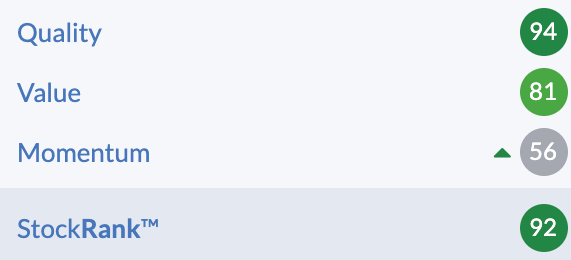
Appealing valuation and high quality characteristics, a large forward dividend yield of 7.5%, strong fundamental backdrop for UK housing market, strategic land bank acquired over past year for future development and further cash is available for these purposes or shareholder returns
Bear points
Vulnerable to macroeconomic factors such as interest rate rises, inflationary pressures and government support for first time buyers, the Covid-19 resurgence also poses a real threat to operational performance
After the Bank Of England’s announcement this morning to raise interest rates, despite fears of the impact of Omicron over the economy, it is important to understand that this may change the medium-term outlook for housebuilders.
However, companies like Taylor Wimpey are arguably in a much stronger position than they have been historically. Possessing a strong balance sheet and high quality strategic land bank gives the company much more operational flexibility.
Furthermore, in Berkeley Group’s recent trading update it raised its annual profit outlook as sales hit pre-pandemic levels. It does seem as though UK housebuilders will continue to generate meaningful returns in the short-term, and Taylor Wimpey’s valuation makes it an enticing candidate in this regard.
Disclaimer
This is not financial advice. Our content is intended to be used and must be used for information and education purposes only. Please read our disclaimer and terms and conditions to understand our obligations.

16 comments
I think that housebuilding generally represents an area of current cyclical value.
Since housebuilding shares are cyclical a lot depends on where we are in the economic cycle. UK GDP is still below the pre Covid level which suggests to me that there is still a lot of unutilised economic growth within the economy. I expect the economic cycle to continue for the next few years but probably longer.
Increasing interest rates are quite rightly highlighted as a risk to the sector. This is true but it has to be said that interest rates are at relative historic lows and need to increase as part of the normalisation process.
The US Fed has indicated that their neutral Fed Funds Rate is 2.5% to 3.5% depending on the rate of inflation. The theory is that when the rate is neutral it neither expands or contracts the economy. Extrapolating from this suggests to me that the UK economy will still be expanding after more than several interest rate rises, and experience has shown that housebuilding is normally a significant component of that expansion.
Taylor Wimpey (LON:TW.) was a great recovery stock after the 2008 financial crisis. Looking at other housebuilders I think I prefer Redrow (LON:RDW) because of it's lower book value and higher ROCE and operating margins. I also like Mj Gleeson (LON:GLE) which I hold.
Government help for house buyers is now focused on first time buyers and 84% of MJ Gleeson's customers are first time buyers. Similarly the Government's levelling up process is focusing on the North of England where the majority of MJ Gleeson's sites are.
I definitely think the sector is worthy of close examination.
Taylor Winpey have been paying too much divi for years and neglecting their land bank. That is why when cheaper land became available last year TW was caught with its pants down, i. e. with insufficient cash for significant land purchases so they had to issue shares.
Prudent house builders, i. e. Bellway, Redrow and Berkeley, had built up the cash reserves for such an opportunity and did not need to dilute its shareholders.
TW has always been badly run. Nearly bust in 2009, centre of the plot lease scandal which has not yet run its course, tapping shareholders for cash simply to buy land.
I am bullish regarding the house building sector, but you can do so much better than Taylor Wimpey!
Bellway for example, in 2012 had net tangible equity of c£1bn, today, Bellway’s net tangible equity is worth over £3bn and rising. Bellway bought a lot of cheap land recently and has increased its land bank by 26% during the past 2 years alone - all done without asking shareholders for more money!
Do I really need to say any more here, you can lead a horse to water, but you can’t …………
What are your thoughts on the recurrent provisions regarding the greenfell cladding that Bellway are setting aside? I can see that these are added back into cash flow from operations, which is fair enough, but if they keep on increasing and are eventually realised that can easily eat away at most of the cash on the balance sheet, of course they probably won't all realise at the same time but still
BWY are the most prudent, under promise, over deliver business that I know. Any such provisions that they make will be very much on the cautious side. Every business has some issue or other which may cause some concerns, key to investing is deciding what is a genuine theat and what is not.
Bellway has made cladding provions of over £20m I believe. Bellway, after its dividends, is now typically growing its net equity at a rate of over £250m per year. This is not a threat to Bellway's shareholders.
Low not High interest rates encourage saving. That is because one needs more savings in a low interest environment to provide for old age. Falling prices encourage us to buy a better product not to wait to make a purchase. High rates are a result of high inflation and are compensation for loss of value in the cash. Where there is no inflation,e.g.Japan, interest rates can stay low and there are plenty of savings. Demand there is falling because there are less and less people there.
New here. Apologies for my lack of experience or knowledge. I do like Mr Cooper’s articles, thank you. I’ve been looking at TW for a little while, but I was concerned by its Earnings Manipulation risk score, especially when compared to the other House builders. Is this a significant factor for other investors in this sector? Thank you!
What do you think of Elliot, the activist Investor , upping their stake to be the 5th largest shareholder and publishing an open letter last week, outlining their criticisms and expectations. Elliot have a mixed bag reputation for their activist outcomes and some suggest the CEO has departed because of Elliots interventions?
Elliot now stirring the pot at Glaxo, SSE, Clinigen etc
Good news or bad?
At the end of the day, love 'em or hate 'em, the PE Ninjas seem to polarise thought and make people think about what's really under the bonnet! I am in the process of reading David Einhorn's book about Greenlight Capital and their exposure of Allied Capital's dodgy accounting procedures- something which I'm sure is endemic in the corporate world. So it doesn't harm to ruffle some fur every now n then, regardless of reputation or reasons for poking the bear. Apologies for the mixed metaphors!
To support your review I don’t see many For sale signs on houses anymore nearly all Sold signs and prices highest ever
Whilst I have nothing against Taylor Wimpey (LON:TW.) and have considered it a few times, why buy it over Persimmon (LON:PSN), which is obviously similar but seems to be fundamentally more sound?
Hello. Very useful review thank you. There was no mention of a holding that a PE company had recently built up and the possibility of some takeover activity, or am I mistaken/overstating this as a factor that has no real basis behind it? Sorry; cant remember the details nor the source.
Yes I think any buyer reviewing this share should take into account Elliot’s major shareholding. At the very least it will be a disruptive influence possibly a catalyst for a major change in the business.
I bought some a few weeks ago along with Rio Tinto.
Solid companies and undervalued.
Demand for housing is still just so high and they will benefit long-term from all the land they bought up last year during covid.
Good piece.
Useful Keelan, thanks.
has not returned to the preCovid price of 225.
it is a quality asset , like other housebuilders.
I have six of them and keep buying !
Has a tendency for the share price to move fairly considerably during a cycle. However, I have bought in and sold on, on a few occasions and I would definitely consider buying in again if and when the price falls.
Good solid company that has been going a long time.