Three small cap SuperStocks worthy of further research

As part of the Stockopedia Strategy Map, I have been taking a look at some SuperStocks, stocks that score highly on all three Quality, Value and Momentum Ranks. Last week, I took a deep dive into a SuperStock I know well: Quarto (LON:QRT) . This week, I pick three small cap Superstocks with StockRanks of 97 or over, which may be worth researching further: Severfield (LON:SFR) , Costain (LON:COST) and Tclarke (LON:CTO) .
Severfield (LON:SFR)
Profile
Severfield Rowan is a designer, manufacturer, and fabricator of structural steel. The type of projects are best known for are stadia and multi-storey car parks. However, they have recently had a divisional restructure into Commercial & Industrial, Nuclear & Industrial and Modular. By focusing on the latter two divisions, the company believes it can drive greater revenue growth, with less cyclicality and higher margins than their more traditional business. They have also undergone a multiyear operational improvement programme called Project Horizon. This has more than 100 initiatives to improve client service, boost productivity, and enhance their competitive edge over smaller rivals.
They are also not opposed to growing via bolt-on acquisitions either. They acquired Harry Peers in 2019. In April of this year, they acquired Dutch fabricator VSCH for E24m in cash. This gives Severfield a production foothold in Europe, which the group has previously supplied from the UK.
The Stockopedia algorithm rates the company highly for all the individual StockRanks, giving it a 99 StockRank overall:

Quality
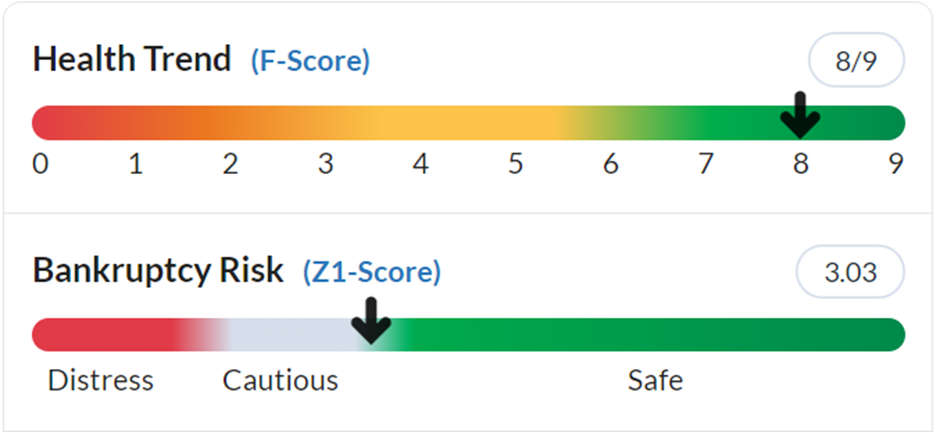
The high Quality Rank is primarily driven by the high Piotroski score due to positive sales and earnings trends. The bankruptcy risk is also low:
However, the company's return on capital is not particularly impressive and may be below their cost of capital over the last few years:
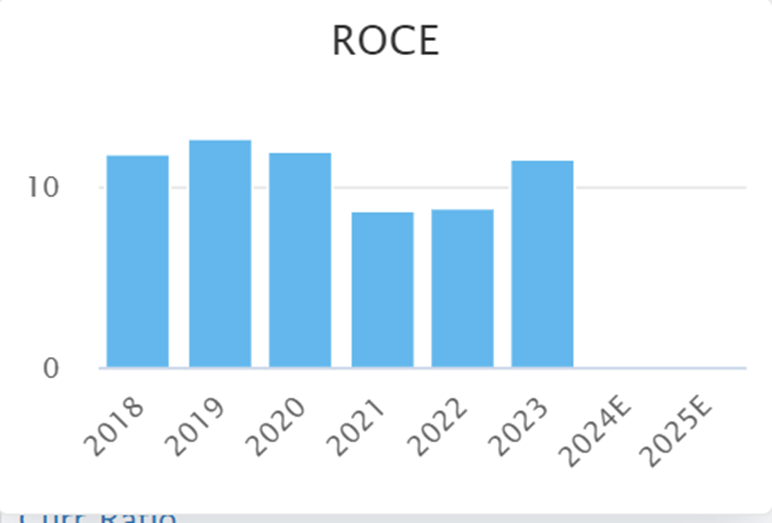
This is a capex-heavy industry. Although we have yet to see the full impact of their initiatives to boost productivity, a lot of work is required to get this up to a level that long-term shareholders will be happy with. If they remain a low-ROCE business, the market is unlikely to give them a higher earnings multiple, meaning that any shareholder returns will come from earnings growth alone.
Value
The company has been able to grow revenue at a very respectable 12.4% CAGR over the last five years:
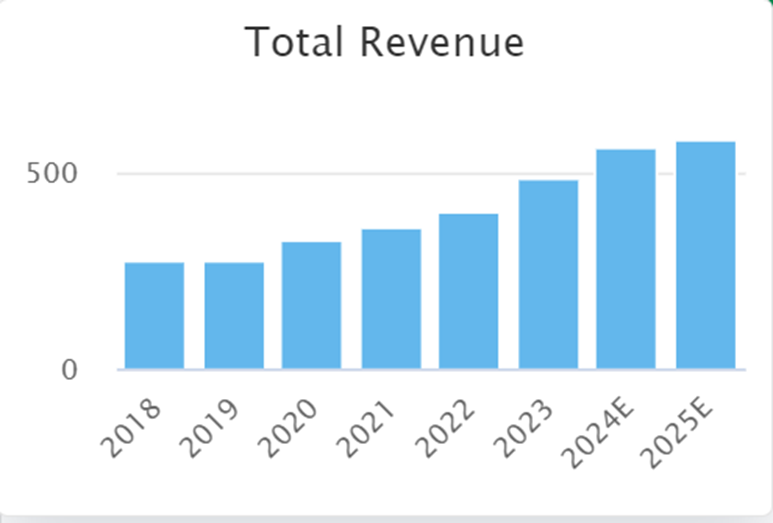
No mean feat, given that this period includes both COVID-19 effects and the return of inflation. However, profitability has been less impressive, with EPS only growing 5% CAGR over the same period:
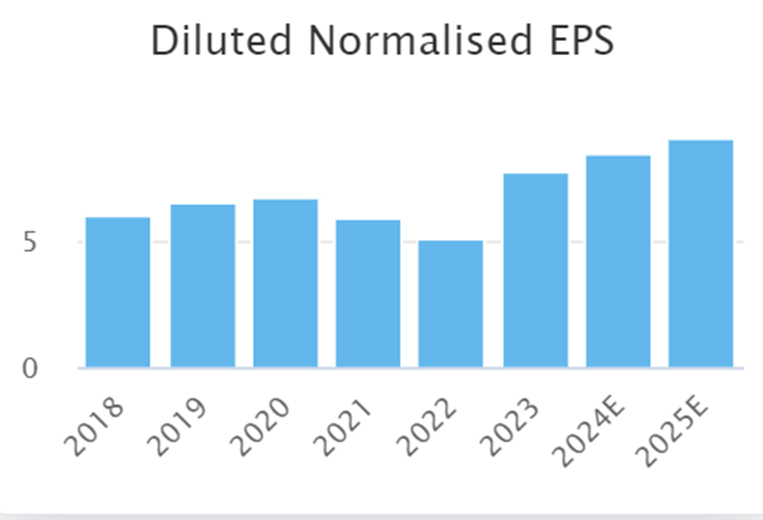
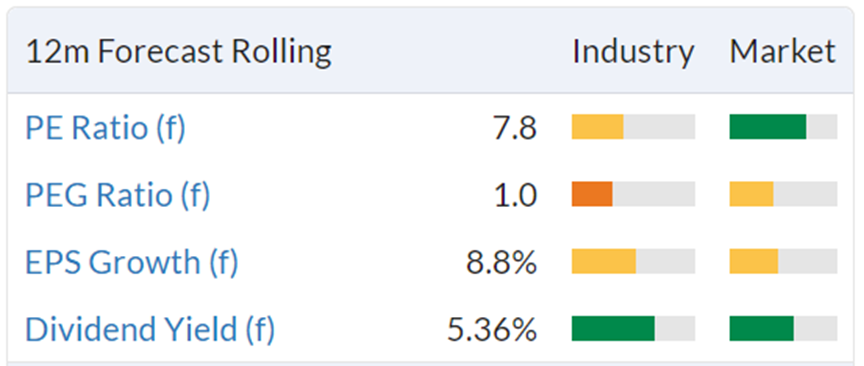
Still, brokers are forecasting this to grow closer to 10% in the future, no doubt helped by their recent acquisition. This growth rate compares favourably to a forward P/E of just 8:
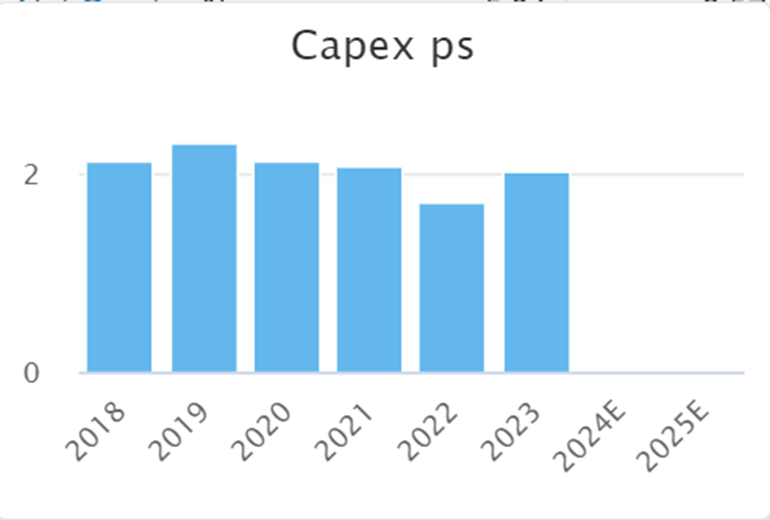
Operating cash flow was strong last year, and with capex pretty consistent at 2p per share each year:
The Free Cash Flow Per Share was 14p, giving a P/FCF of less than 5:

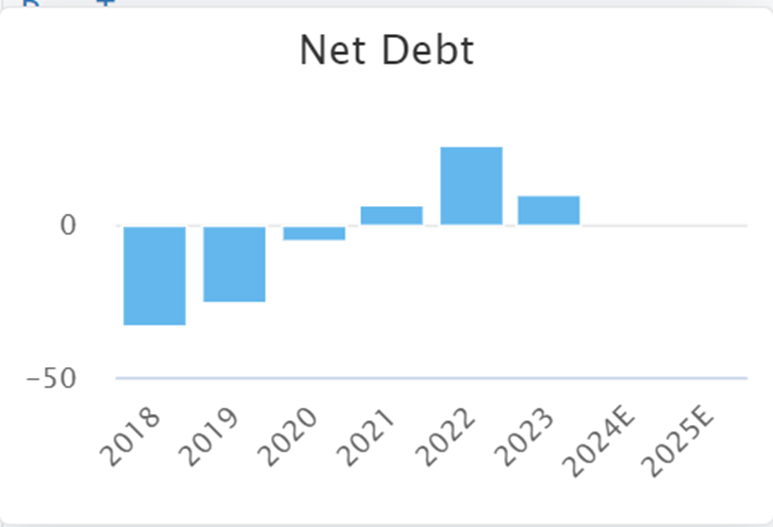
This enabled the payment of a 5% dividend yield as well as a large reduction in net debt last year:
Despite these positive trends, the current ratio looks a little low compared to other companies in the industry:
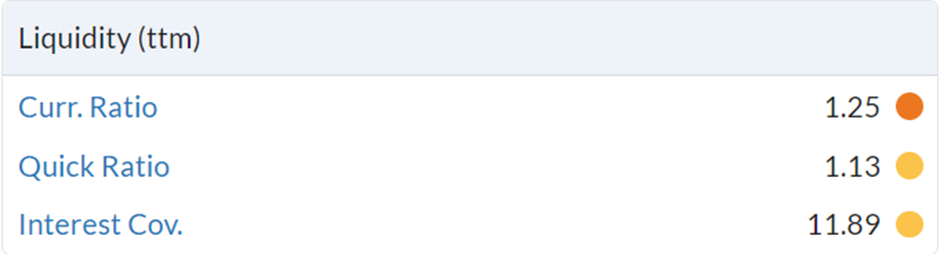
Stockopedia shows low gearing, but it is worth remembering that their acquisition of a Dutch company was completed after year-end, adding €24m to net debt.
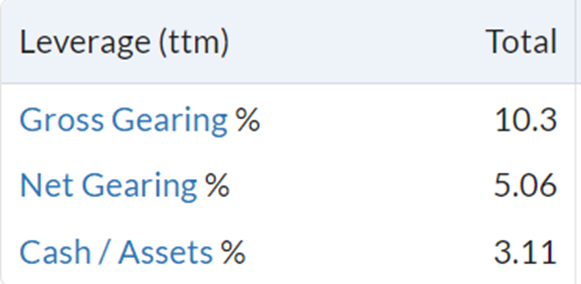
Pro-forma net gearing is, therefore, more like 15%. However, this looks to be a safe investment with a track record of weathering even the most tricky of trading conditions.
Momentum
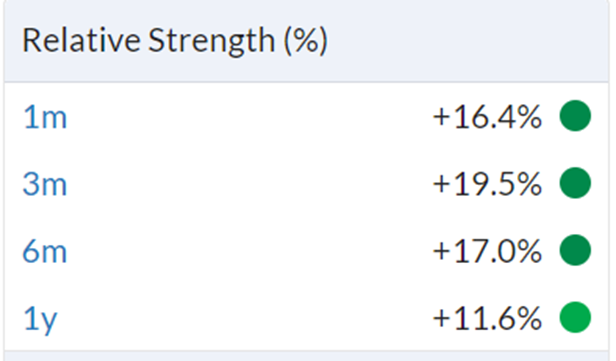
The relative strength is good across all recent time periods, helped by a positive reaction of the share price to the recent results on the 14th of June:
Where the company said:
Whilst there are signs of inflation easing, we remain mindful of the macro-economic backdrop. However, given the group's performance to date and the strength of our order books, we are confident of delivering further progress and a result for 2024 which is in line with our expectations.
So the company appears to have further momentum behind it.
Concerns
There are a couple of things to be wary of. The first is the capital intensity of the business, with the ROCE hovering around the 10% level. The second is the presence of a pension deficit. It is relatively small compared to the market cap, but payments of over £2m/year are around 10% of profit after tax. These are not sufficient to damage the investment case, but it is worth noting that the SuperStock rating is at least partially due to strong recent trading and therefore share price momentum. If this momentum starts to fade, shareholders should tread carefully, even if the P/E remains undemanding.
Costain (LON:COST)
Profile
Costain is a UK infrastructure provider that operates across rail, integrated transport, road, water, water and defence and nuclear. If investors have travelled around the UK, they will have seen many rail and road construction projects the company is engaged in.
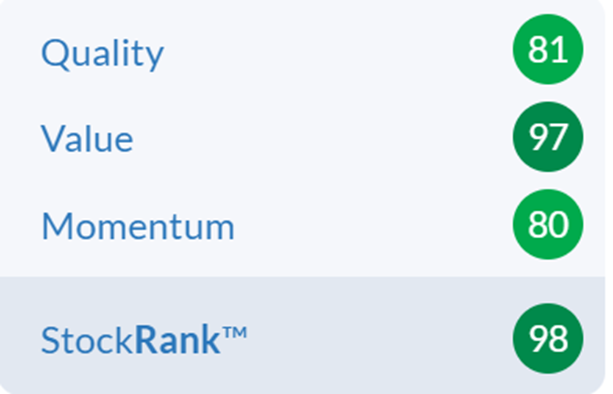
The stand-out StockRank is the Value Rank with 97. A strong showing in all three component ranks makes for an outstanding StockRank of 98:
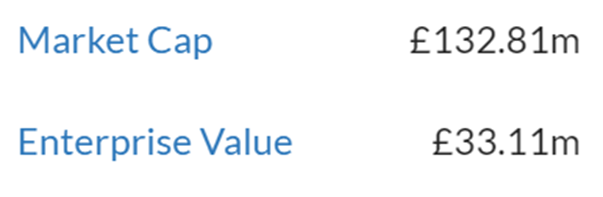
Part of the reason for the high Value Rank is that the company holds significant cash balances, making the Enterprise Value just £33m:
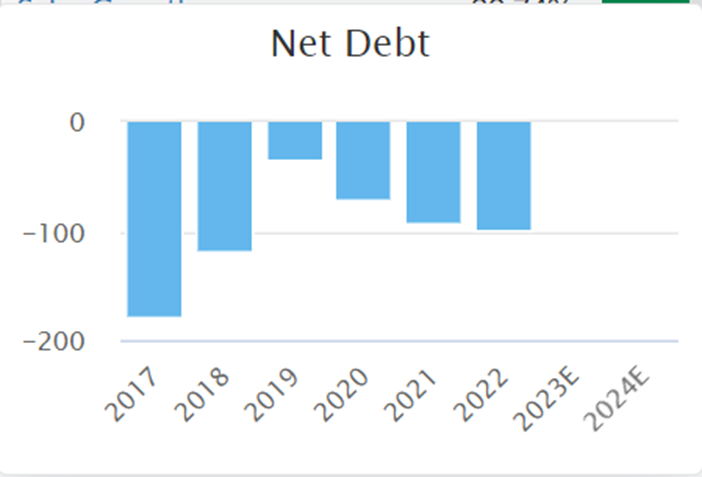
Net cash has been improving recently too:
Despite all this net cash, the Altman Z-score suggest that investors should be cautious regarding the financial health of the company:
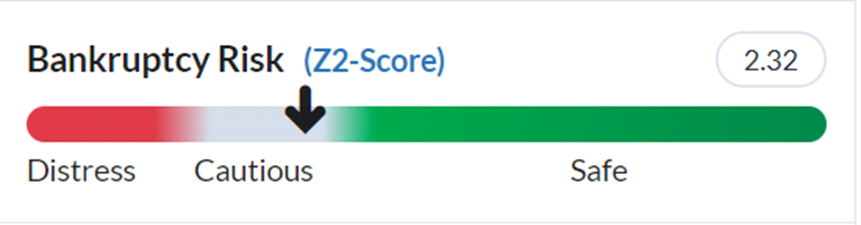
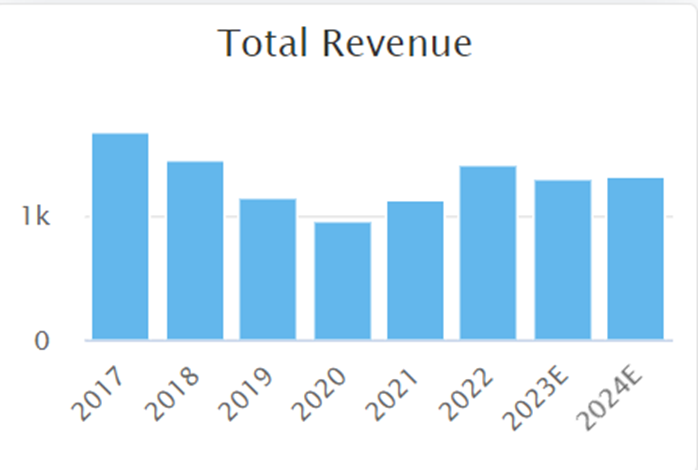
This is largely because the company has negative working capital, with Payables exceeding receivables by around £45m. This reflects the nature of their business as an infrastructure contractor. This shouldn't be concerning while they have that large net cash balance. It is also worth noting that all of these numbers are small in comparison to their £1.4b in revenue. Such large revenue means that these figures no doubt move significantly during the financial year and that all of that cash may not be excess cash that can be returned to shareholders or invested in growth.
Quality
The revenue itself has not shown any real growth and was declining prior to COVID impacts:
EPS shows a better trend as the company recovers post-COVID:
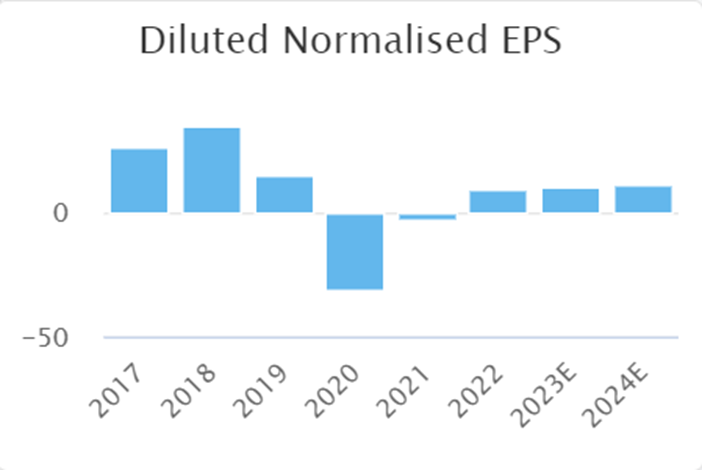
Forecasts are for single-digit EPS growth going forward:

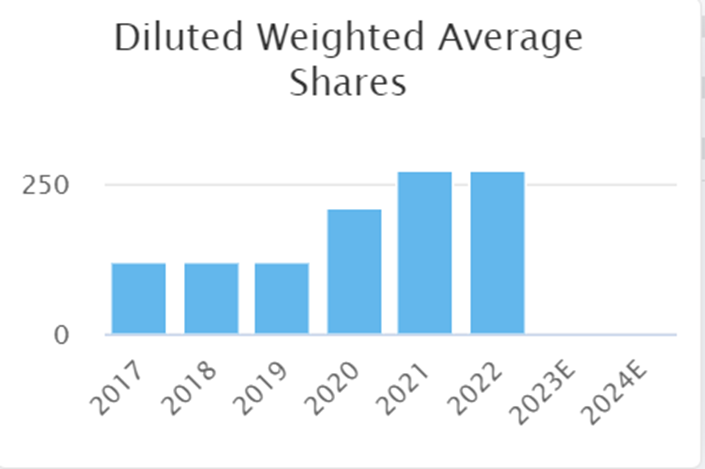
Although, it should be noted that Net profit is forecast to return close to 2017 levels by 2024. However, the EPS numbers reflect that there have been two fundraisings since then, and the number of shares has increased significantly:
In the good years, the company generates a decent Return on Capital Employed:

However, this is more likely to be due to the cyclical nature of much of their business rather than the indication of a significant moat. The company no doubt derives some competitive advantage from their scale and ability to bid on many different construction frameworks, but it is likely to be a weak one.
Value
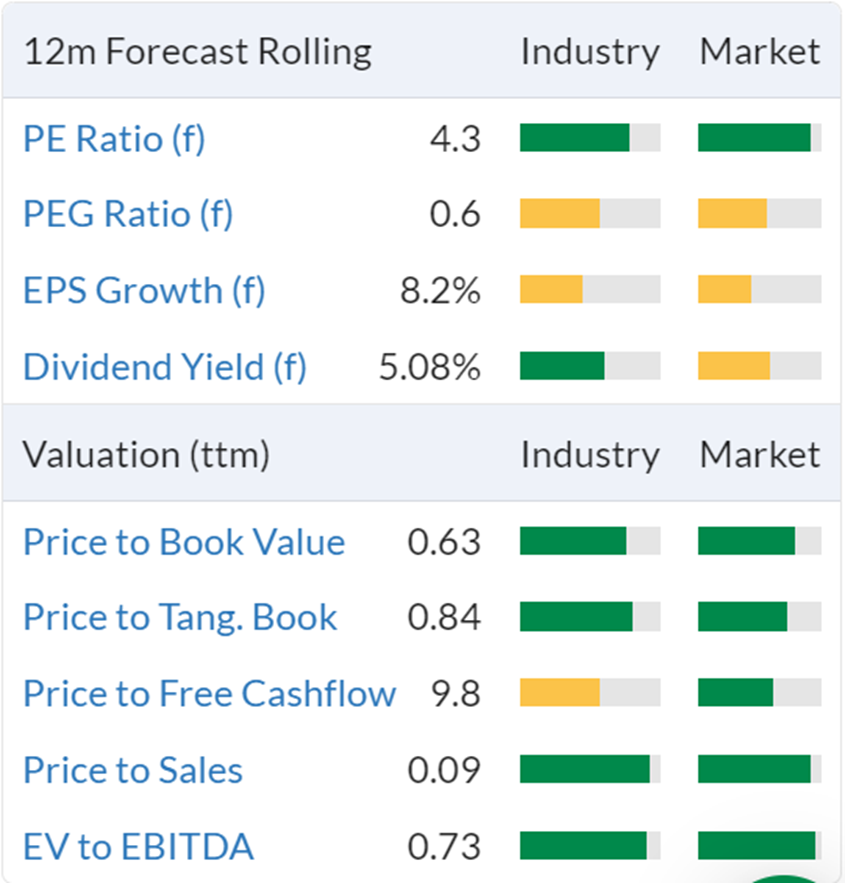
The lack of significant competitive advantage may not be an impediment to good shareholder returns since the company appears to be very cheap on a number of valuation metrics. Even if one ignores the cash on the balance as not distributable, the Price Earnings is just over 4. And even if investors assume that forecasts are wrong and this is the peak of the cycle, the company trades at a significant discount to Tangible Book Value:
Momentum
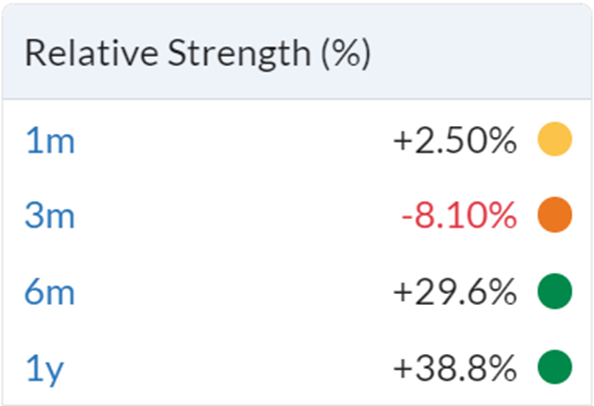
Value and Momentum are often negatively correlated. However, even though these valuation metrics are very good here and give the company an exceptional Value Rank of 97, the share price has also been strong this year:
Not only that, but the brokers have been upgrading their forecasts. And with higher EPS forecast for 2024, they clearly don't see this as the top of the cycle:
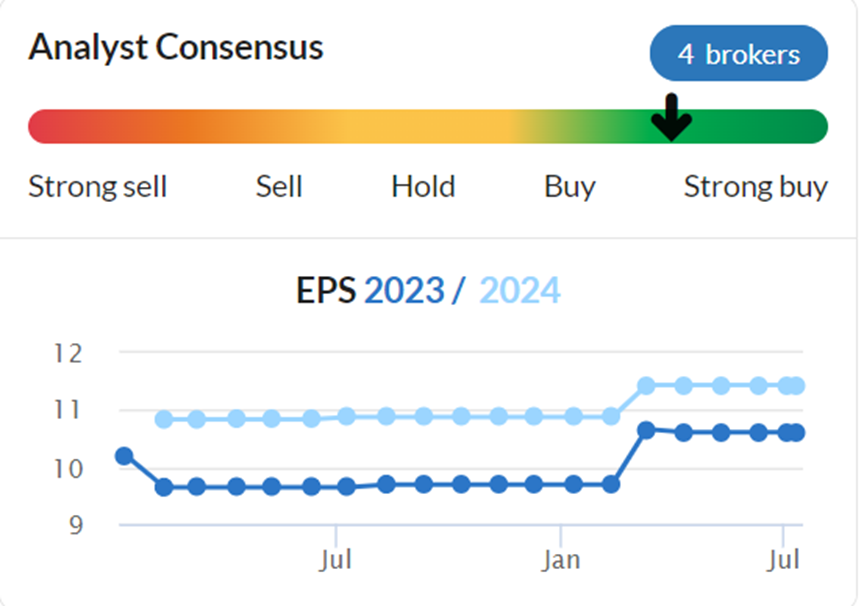
This means that the momentum rank is also a very respectable 80.
Concerns
It hasn't all been plain sailing for the company this year, though. They have recently left the A66 project:
Due to a change in contracting strategy for the A66 only, we have agreed with National Highways that our involvement in the A66 scheme will come to an organised and managed end. Costain is one of four parties involved in the A66 and this project was included in our preferred bidder book and therefore this decision has no impact on the group's order book.
This road project was to see four separate contractors each work on a section of the A66 upgrade. Now Costain's part will be awarded elsewhere, suggesting a failure to agree on costs or terms. However, the company continues to be awarded work elsewhere, such as:
…a place on a new six-year framework for Magnox Ltd. to support the company across 11 sites and deliver its decommissioning programme through to 2029.
The full programme of work, which is worth up to £485m, will contribute to the clean-up of the UK's nuclear waste whilst reducing the environmental impact of the sites and helping to deliver the Nuclear Decommissioning Authority's strategic goals. Costain has secured a position on both Lot 1 and Lot 2 of the framework utilising its full complex delivery and consultancy capability.
This award diversifies their operation away from rail and road projects into longer-term nuclear decommissioning. This is likely to be more specialist work, so higher margin, as well as less cyclical. If this shift is successful, the shares look too cheap.
Tclarke (LON:CTO)
Profile
T Clarke is another contractor. In this case, providing electrical installations for major building works. As will almost all contractors, it is low-margin work; hence the revenue significantly exceeds the Market Cap:
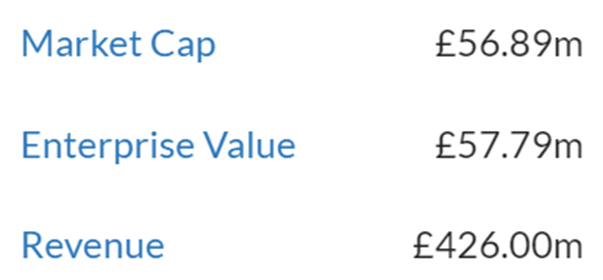
In this case, these figures don't yet include a recent placing:
Oversubscribed placing to raise gross proceeds of £10.7 million at the Placing Price, subject to TClarke shareholder approval.
This means that the market cap is now around £70m. Normally, the Enterprise Value would be unaffected. However, the company says:
The Directors anticipate significant earnings accretion deployment of the net Placing proceeds into the delivery of anticipated near term contract wins.
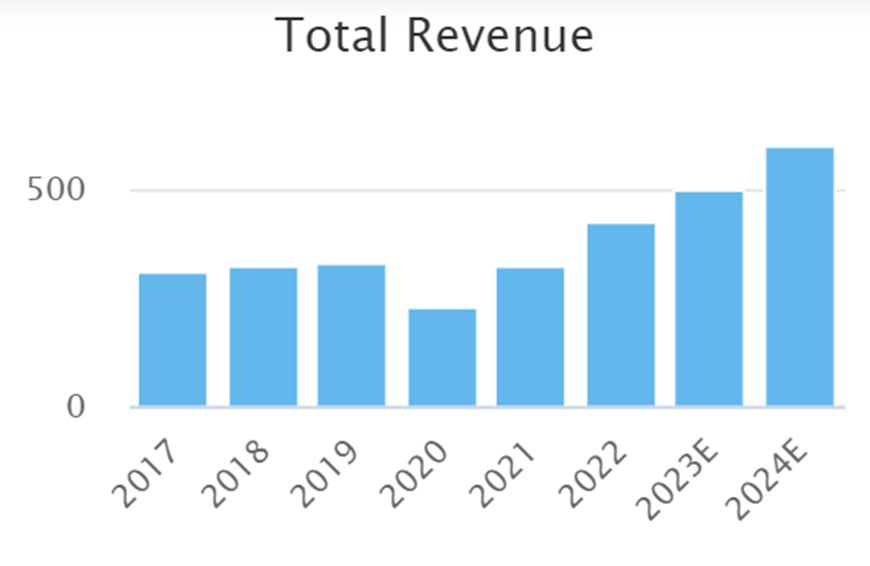
Which suggests the cash will go into working capital reasonably rapidly. The company is forecast to grow revenue quickly, almost doubling from the COVID-impacted 2021:
However, the company's balance sheet has never been particularly strong. They released interim results this week, and as of writing, these haven't made their way into Stockopedia's figures. Doing the maths myself, I make this a current ratio of 1.11:
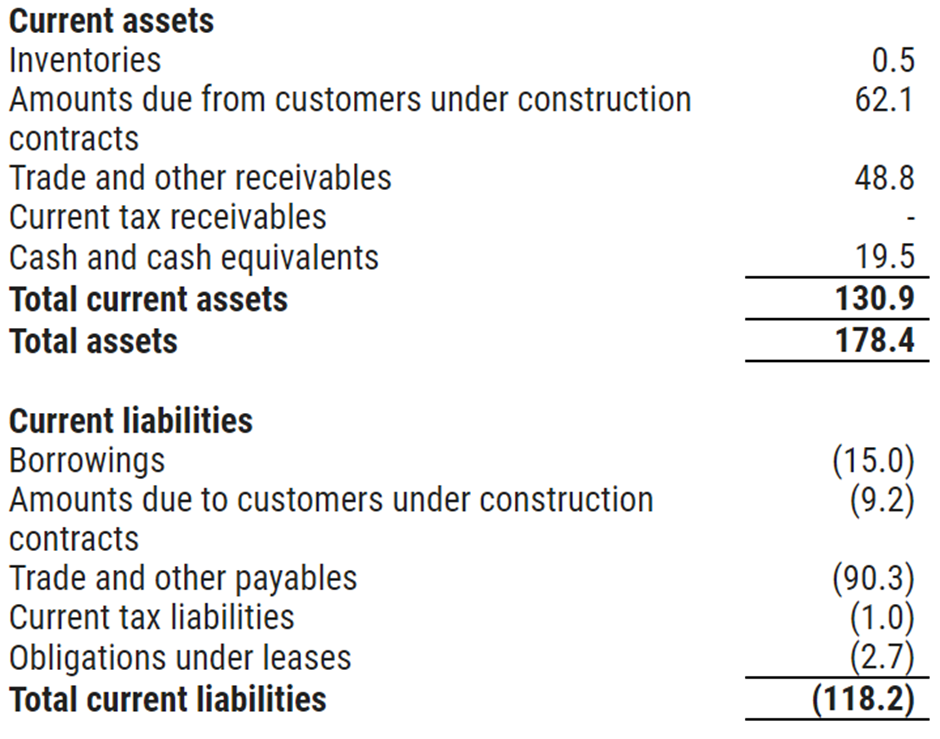
So it's clear that the balance sheet before the placing didn't leave much room for any temporary negative working capital flows. While the placing may have surprised some shareholders, the savvy will have noticed that the balance sheet has needed strengthening for some time now if the company wanted to pursue a revenue growth strategy.
Momentum
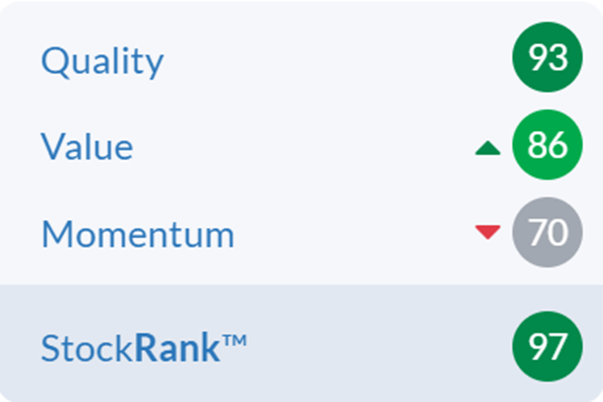
The impact of the placing on the share price, as well as the reduction in this year's EPS due to the additional share count, means that the Momentum Rank is the lowest of the three here:
Quality
The quality rank is very strong due to a reasonable Pitroski score plus a consistently high return on Capital Employed:
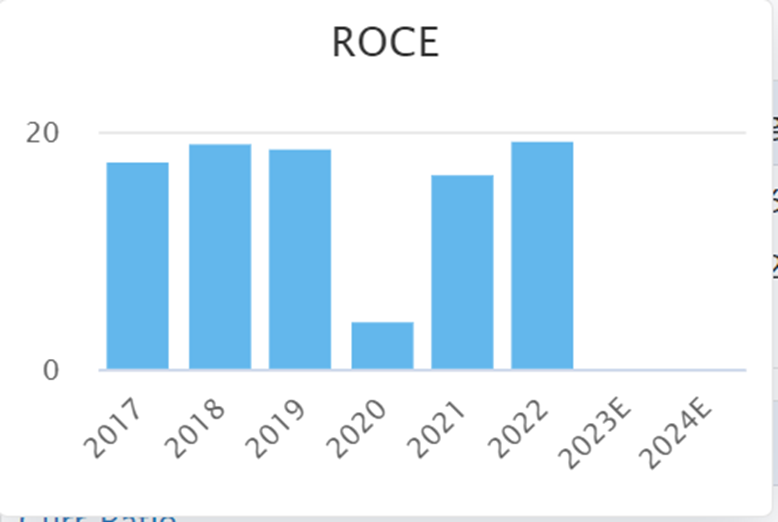
Apart from 2020, which was severely impacted by COVID, the high teens ROCE suggests a decent moat. In this case, their scale plus ability to work on the most complex contracts allows them to charge a premium price.
Value
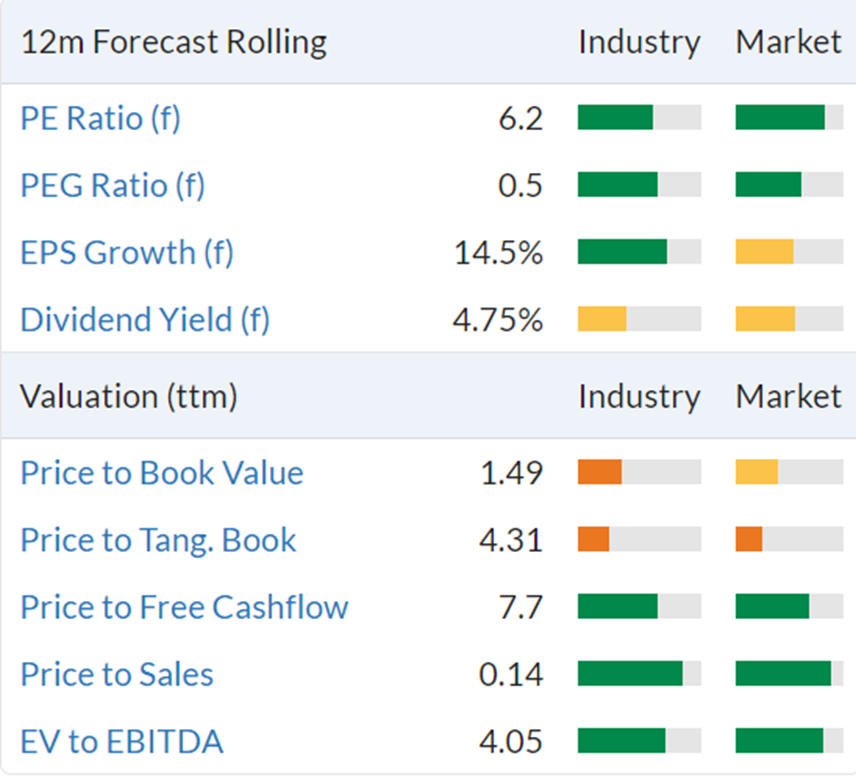
If the company can maintain this ROCE while growing revenue and profitability, it will do very well. As potentially will shareholders, given that they are only paying around six times earnings for the business:
Concerns
However, it is not entirely clear who will benefit from this growth strategy. Despite presenting at the Mello investor conference in the past, management are not always smaller-shareholder-friendly. For example, the recent placing did not have an open offer or Primary Bid offering to allow smaller shareholders to avoid some of the dilution.
The biggest concern I have with the company can be found on page 31 of their 2022 Annual Report, and is the remuneration Report:
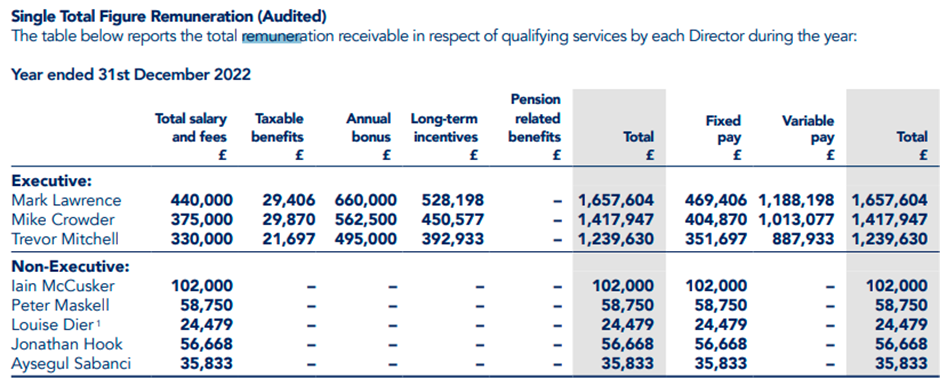
In total, the board paid themselves £4.6m last year. Given that Profit Before Tax was just £10.3m. If they paid themselves half this figure, then PBT would have been 22% higher. 2022 was a good year, and the remuneration report makes it clear that the bonus payments reflect that. However, PBT rose by £2.5m vs the year before, and board pay rose by £1.6m. Meaning directors took home 40% of all of the additional profits in pay.
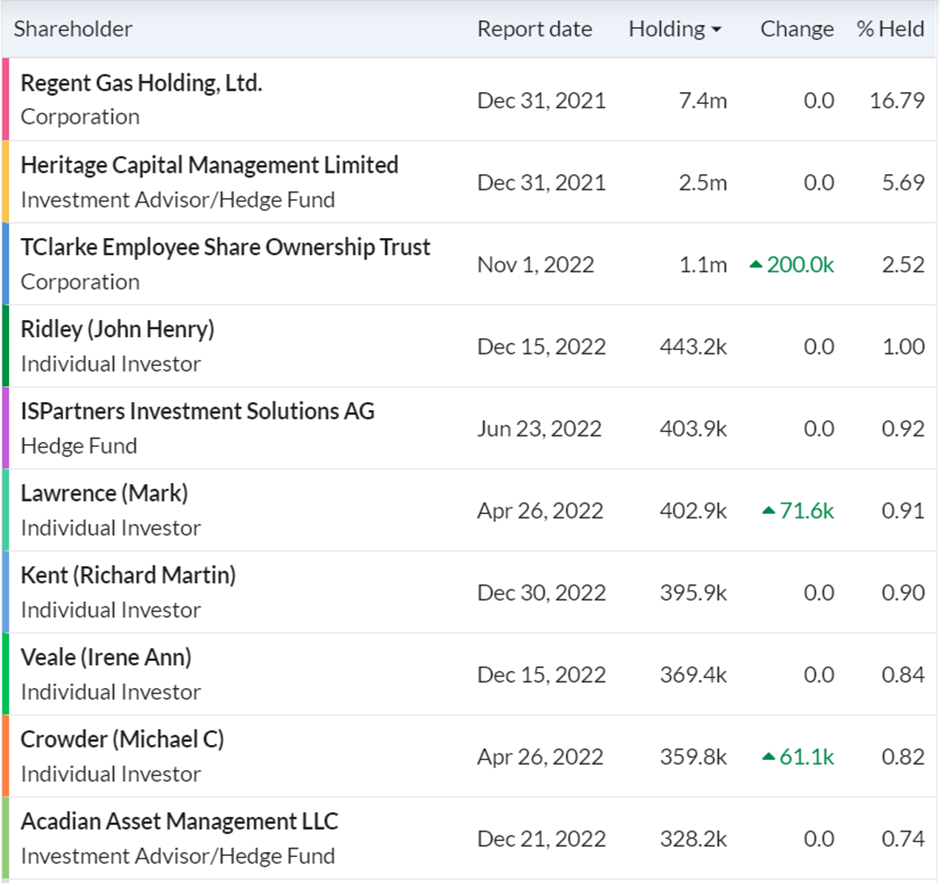
With this remuneration structure, it is unsurprising that directors are not big holders of the equity. Each holds less than 1% of the shares, meaning the incentive to restrain board pay may not be present in the future either:
So despite the strong metrics, investors need to take a view on how much of any future returns will actually accrue to shareholders before investing.
Conclusion
All three companies present interesting investment opportunities, given that they trade on single-digit price-earnings ratios, have aspects of quality, and trading momentum behind them. None is without challenges, though. Severfield (LON:SFR) really needs to improve its Return on Capital Employed; Costain (LON:COST) needs to demonstrate its ability to move away from low-margin, high-risk contracts; and Tclarke (LON:CTO) appears to have an issue with excessive board pay. None of these are showstoppers, however, so all three Superstocks make it onto my watchlist.
[Disclosure: Mark owns shares in Quarto (LON:QRT) ]
Disclaimer
This is not financial advice. Our content is intended to be used and must be used for information and education purposes only. Please read our disclaimer and terms and conditions to understand our obligations.

5 comments
Hi Mark
Thanks for the suggestions. In large part they look interesting but there is one big but for all 3 from my perspective. Low Operating Margins. Does this not concern you? To me this largely invalidates the Quality scores, which are all 80+. Is that unfair?
Severfield score the best at 6%, the others struggle to get past 2.5% and haven't been able to breach this level for the last 5 years. Am I worrying about this unnecessarily?
They might be well-run companies and a successful investment at times but these are far from quality stocks in the true sense. Just the usual cyclical fare from UK plc.
I tend to not worry about operating margins. I think Gross Margins/ROCE/ROE are far more indicative of moats. Hence my concern with the low long term ROCE of Severfield (LON:SFR) . Indeed, one of the big learnings from studies of multi-baggers is that high gross margins and low net margins lead to the best returns, on average, due to operational gearing.
That said, i personally disagree with the high weighting of the quality rank towards the Piotroski F-score. This seems to be more momentum focused to me, and potentially leads to the ranks being less orthogonal than they otherwise might be.
Whatever, the rank it belongs to or the weighting, one thing is clear: SuperStocks outperform, on average, over the long term, whatever their operating margins.
Tclarke (LON:CTO) - bought this a few weeks back with some bad timing just before the placing. Not impressed with how the directors are looking out for themselves. Thought perhaps at the PDMR notification that maybe they had put their hands in their pockets to buy some shares in the market and show some confidence, but no. More free shares. Hoping to turn a quick profit and run as they are clearly not looking out for PI's. Tight stop loss in place. Shame as the co has great potential.
Nit-pick; it’s Severfield RowEn rather than Severfield RowAn