Camellia: weaker trading points to a £3m–£5m loss for the year, and we turn more cautious

Analyst’s view:
The company is now trading at net cash (including cash-like investments), which seems like incredible value. Until you realise the stated strategy is to invest that cash into further agricultural assets. These tend to be relatively low-return assets with high variability and unpredictability in trading outcomes, as today's shift to an overall trading loss for the year shows. The company has a poor track record of picking assets that buck this trend, so I think we should take a more cautious view.
Down 9% to 5250p - Trading Update
Bad news from the now-mainly agricultural conglomerate: they say their "...trading result for 2026 is expected to be weaker than previously anticipated." The blame is put on:
The Group has seen stronger trading performances in the Bangladesh, India and Eastern Produce Kenya tea businesses and the Brazilian arable business is performing in line with expectations. This has been more than offset by weaker results from Kakuzi, as reflected in their announcement on the 22 October, and from Malawi and South Africa. JING has continued to make good progress towards achieving positive trading profits despite the downturn in its important Gulf States markets. Weaker North Sea activity is expected to result in disappointing trading results at AJT.
Today's announcement from separately listed (but very thinly traded) Kakuzi, in which Camellia has a 50.7% interest, gives some more background to this part of the underperformance:
Further to our profit warning announcement of 25th August 2026, in which we advised that earnings for the year may be at least 25% lower than the previous year, the Board in its latest review expects net earnings to be significantly below the previous year as a result of the continued downturn in the macadamia market and a lower macadamia crop.
Helpfully, they quantify the impact:
The current forecast is for a full-year trading loss of between £3-5 million, compared with a trading profit of £1.0 million in 2025. The final trading result for the full year will be influenced by the phasing and seasonality of agricultural production and sales in the fourth quarter.
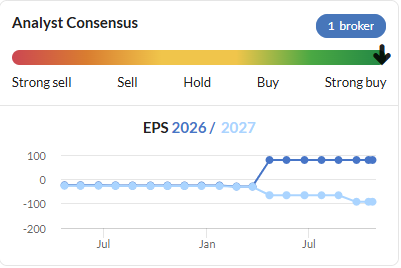
This undoes the upgrade earlier this year, which saw profitability forecast for the first time in many years:
The long-term track record here is pretty woeful:
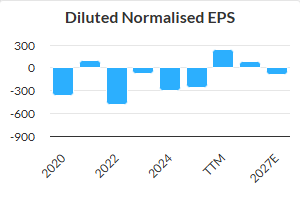
Such is the nature of agricultural production; it is highly variable and subject to many unpredictable factors, such as teh weather or commodity pricing for inputs and outputs.
Asset disposals:
The better news is that the company has done a good job rationalising its operations over the last few years under a new management team. It has a long history and built up holdings and subsidiaries in diverse areas such as engineering and insurance, which were much more valuable outside the current mish-mash of a corporate structure.
They also have property assets and "heritage assets", including manuscripts and documents of historical significance. Again, these are being sold over time and typically achieve far beyond their book value. Something they re-confirm today:
The Board currently forecasts profits of approximately £23 million from disposals of property, plant and equipment, and assets classified as held for sale, principally reflecting disposals of artwork and tea gardens undertaken during the year. The resulting EBITDA for the year is expected to be in the range of £25-28 million.
The impact of these sales can be seen on the growing cash balance, which now stands at £82m, despite £18.9m returned via tender offer in 2025.
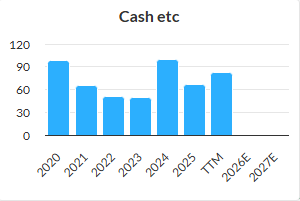
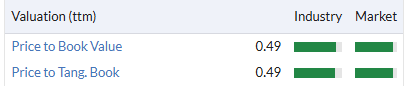
When you include liquid assets such as treasuries and money market funds, the £133m figure covers the current market cap. Overall, the company trades at less than half TBV, despite signs that some assets are worth more than book, and half the assets are in cash or cash-like funds:
The problem is what the company intends to do with these assets. So far, the strategy has been to invest the cash in additional agricultural assets. Their track record of doing this has been poor (though under a previous CEO). Typical returns on agricultural assets are poor unless one takes more risk than average. In their annual report, they say:
Invest in agricultural businesses, primarily in emerging markets where our expertise enables us to generate a return commensurate with the risks taken and where local communities benefit from our business activities.
However, so far their existing agricultural assets have been more risk than return, as today's updated guidance shows. Do shareholders really want more of the same?
Mark's view
Graham gave the company the benefit of the doubt after its August profit warning, keeping the AMBER/GREEN view and citing the significant amount of liquid assets the company has.
If the company committed to returning, say, 80% of that cash to shareholders and investing it to improve the currently held loss-making assets, I would be tempted to keep the same rating. After all, a company trading pretty close to its cash balance and at half TBV is usually a value investor's dream. However, while the stated strategy is to reinvest that cash into more agricultural assets, and the existing ones keep underperforming, I'm not sure where the long-term returns will come from, and with the second warning in a row, AMBER seems more sensible.
Disclaimer
This is not financial advice. Our content is intended to be used and must be used for information and education purposes only. Please read our disclaimer and terms and conditions to understand our obligations.
Discussion on Camellia (0)
Comments here are also visible in the Daily Stock Market Report
No one has commented here yet! Why not be the first one?