What should I do with my Magnum Ice Cream shares?

Life tastes better with ice cream – or at least that’s the pitch to investors from Magnum Ice Cream NV (LON:MICC).
TMICC is the new name for the world’s largest ice cream business, with brands including Magnum, Ben & Jerry’s, Wall's and Carte D’Or. This €8bn annual sales business will shortly be spun out of its parent, Unilever (LON:ULVR).
The demerger will separate a business whose capital intensity, lower margins and supply chain requirements are not seen as a good fit with the remainder of the consumer goods group.
TMICC is scheduled to begin trading on the LSE, Euronext Amsterdam and the NYSE on Monday 8 December 2025. The new company’s UK ticker code will be MICC.
Unilever shareholders like me will automatically receive a tranche of Magnum shares in their brokerage accounts shortly after this date.
At this point, investors will have a choice.
One option is to do nothing and simply pretend that Unilever and TMICC are still effectively a single position in our portfolio. That’s not necessarily a bad idea.
However, I suspect many investors – and certainly many fund managers – will want to take a more deliberate approach and either scale up or sell their Magnum holdings. .
For this reason, I’d imagine we may see quite a lot of trading following the demerger. Depending on pricing and demand, there could also be some price weakness.
If the Magnum business is attractively priced and scores well for quality, this might be an interesting opportunity to build a larger position.
In this piece, I’m going to take a look at The Magnum Ice Cream Company to learn more about its business, likely financial profile and expected valuation. I’ll attempt to answer the question at the top – what should I do with my Magnum Ice Cream shares?
Why I’m interested in spin-offs
IPOs are often overpriced and overleveraged. I tend to steer clear of them for a few years. But I’ve found that demergers – or spin-offs – can sometimes be quite lucrative opportunities. The operation being demerged is not necessarily a bad business; it may just be a poor strategic fit.
Demerging a business like Magnum means it will become the sole focus of a dedicated management team, rather than one of many under the oversight of a busy group CEO. Performance may even improve.
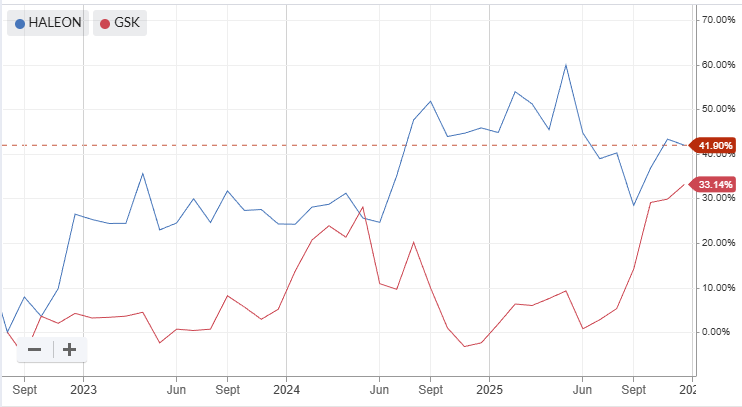
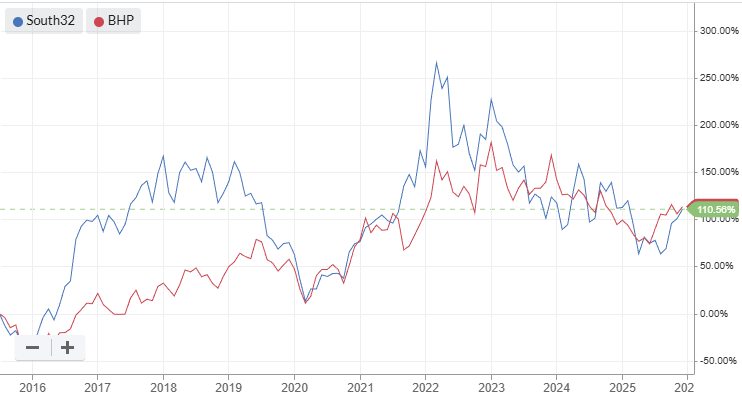
Although there are no guarantees, listed spin-offs from FTSE 100 firms over the last decade have generally delivered positive returns for investors who simply kept hold of their shares (these charts cover the timeframe since the demerger and exclude dividends):
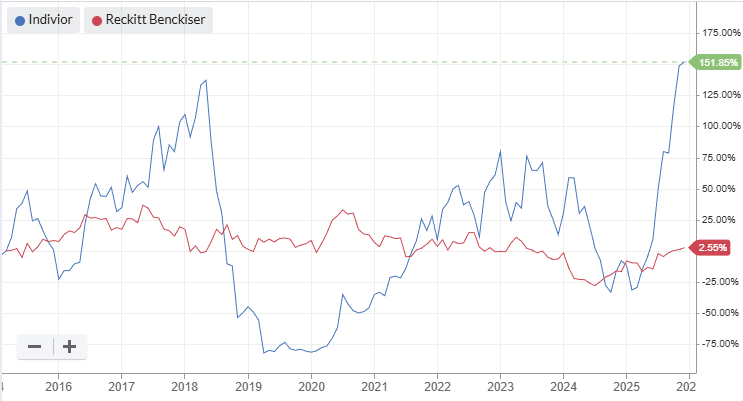
There are no guarantees, of course. Indivior (NSQ:INDV) carried some uncomfortable legal liabilities and had very concentrated product exposure when it was demerged from Reckitt. The shares took UK investors on a rollercoaster ride before moving to a US listing.
GSK’s consumer health carve-out HALEON (LON:HLN) has also had some ups and downs, as has miner BHP’s demerged coal business, South32 (LON:S32).
However, these big cap spin-offs all have one thing in common – they have all delivered positive returns for shareholders who simply kept hold of the stock when it was deposited in their brokerage accounts.
The Magnum Ice Cream Company
About the business
Wall’s ice cream was founded by a butcher named Thomas Wall in 1913. He decided to try and take advantage of the summer dip in sausage sales by selling ice cream. His timing was poor, due to the subsequent outbreak of World War I. But by 1922, Wall’s business had become successful enough to be acquired by Lever Brothers (a predecessor to Unilever).
The 100 years since then have seen Unilever expand its ice cream business through a mix of organic growth and acquisitions to become the world’s largest:
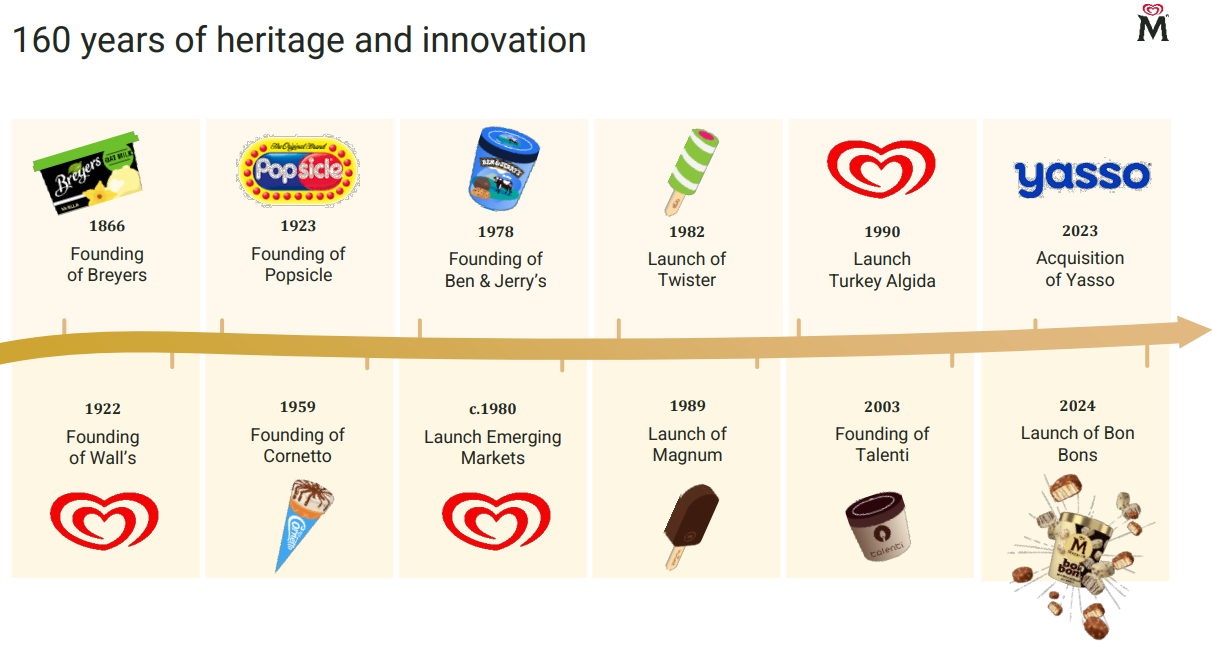
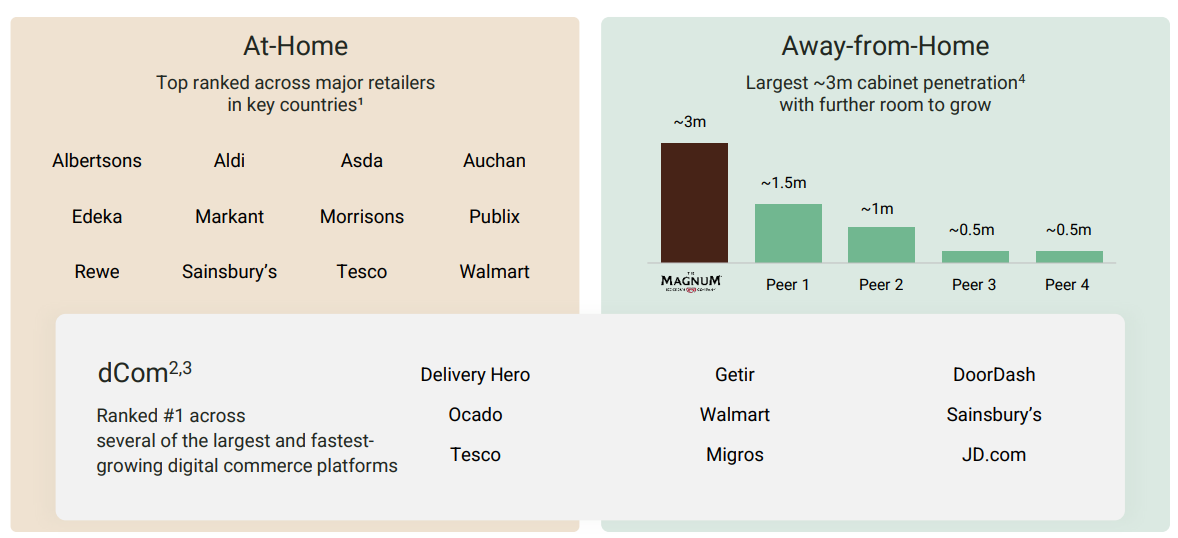
Today, TMICC has 30 manufacturing sites globally, around 200 distribution centres, 2,150 distributors, c.14,000 employees and approximately 3 million freezer cabinets. The group also has a 21% share of the global ice cream retail market.
What’s the opportunity?
Management estimates the global ice cream market was worth €75bn at the end of 2024. This figure is expected to grow at a compound rate of 3% to 4% between 2024 and 2029, to €90bn.
This kind of growth would be consistent with growth over the last decade, according to figures provided by the company:
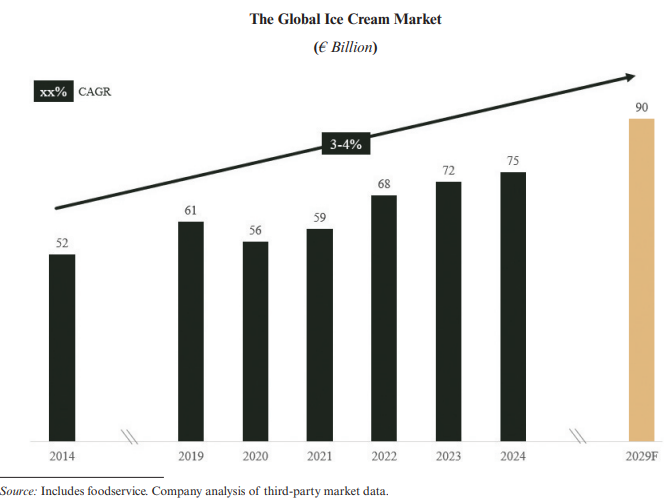
TMICC’s sales in 2024 were €8.0bn, giving 10.6% market share. The opportunity for investors is that the company’s existing leadership and advantages will help it gain share in an expanding market over the coming years, potentially becoming a much bigger and more profitable business.
Update 08/12/25: the 10.6% market share I've calculated above is obviously mismatched with the company's claim of a 21% market share. I have not seen this explained explicitly, but believe that the 21% figure relates to the branded ice cream market within which MICC competes, potentially excluding own label and some other specific segments of the market where Magnum may not view itself as a competitor or participant.
Growth in line with the wider market might not be a bad result. But management at TMICC believe Unilever’s skew to emerging markets could allow it to grow sales at a higher rate than this:
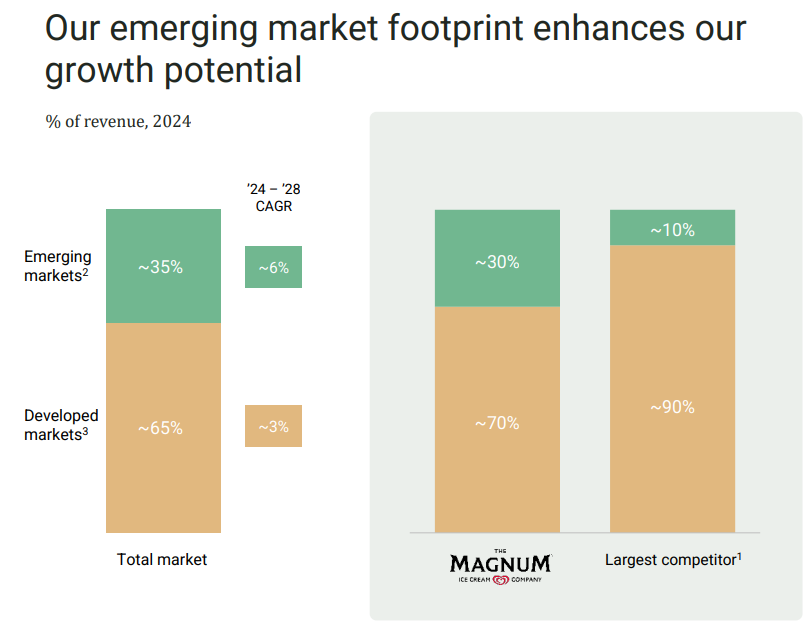
Developed markets drive the majority of sales, of course, especially for premium brands. The company’s advantages in this area are well established and it’s the market leader in both at-home consumption and out-of-home sales:
Markets & Competition
TMICC’s 21% share of the global ice cream market is driven by four power brands and a range of local hero brands.
In almost every market where TMICC operates, it’s the market leader:
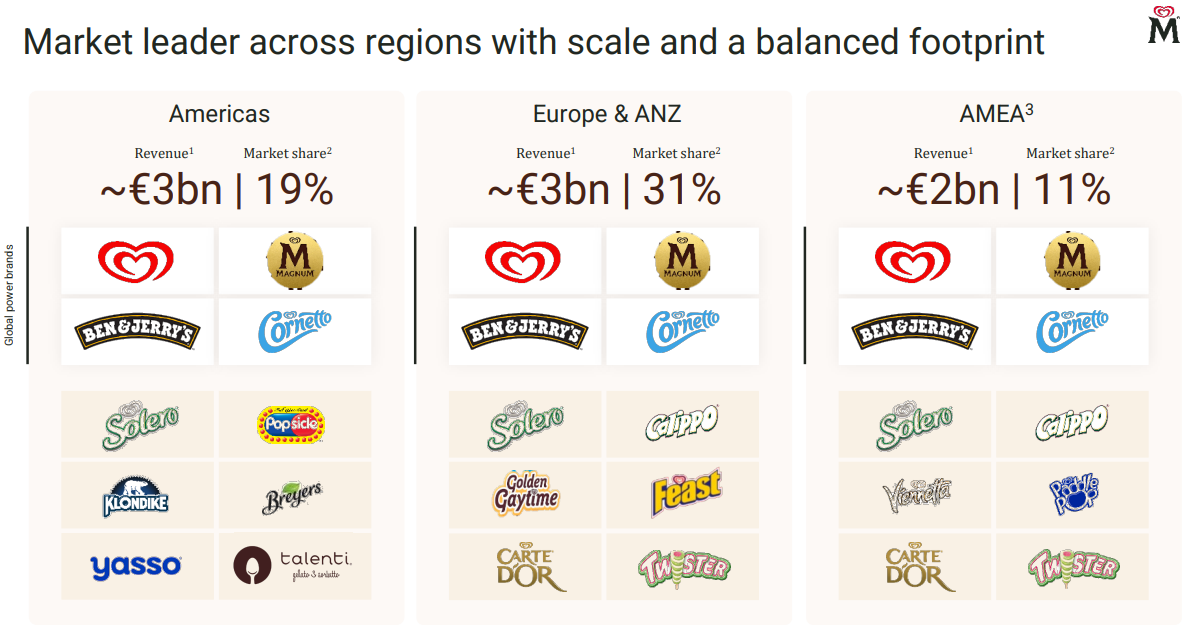
The company’s four power brands, Wall’s, Magnum, Ben & Jerry’s and Cornetto each deliver between €0.7bn and €2.8bn in annual sales. They’re all sold in dozens of countries through the group’s formidable global distribution network.
One point that’s worth emphasising is that the ubiquitous branded ice cream freezers you see everywhere are owned and managed by the company. They’re supplied on free loans to retailers and management estimate that TMICC owns approximately 30% of all ice cream freezer units worldwide.
My understanding is that conditions apply as to the contents of the freezer – they must contain a certain proportion of TMICC products. Unsurprisingly these units work as a powerful marketing tool, helping to build and maintain a competitive advantage:
The Group has experienced a direct correlation between freezer penetration and both volume and market share growth, in particular in developing markets.
Switching costs: while customers may be free to switch between ice cream brands, these freezers impose some switching costs on retailers.
To replace TMICC brands in shops or cafes might involve significant outlay on new capital equipment, in addition to finding a new ice cream distributor. It’s easy to see why this rarely happens, especially given the reliable appeal of TMICC brands with consumers.
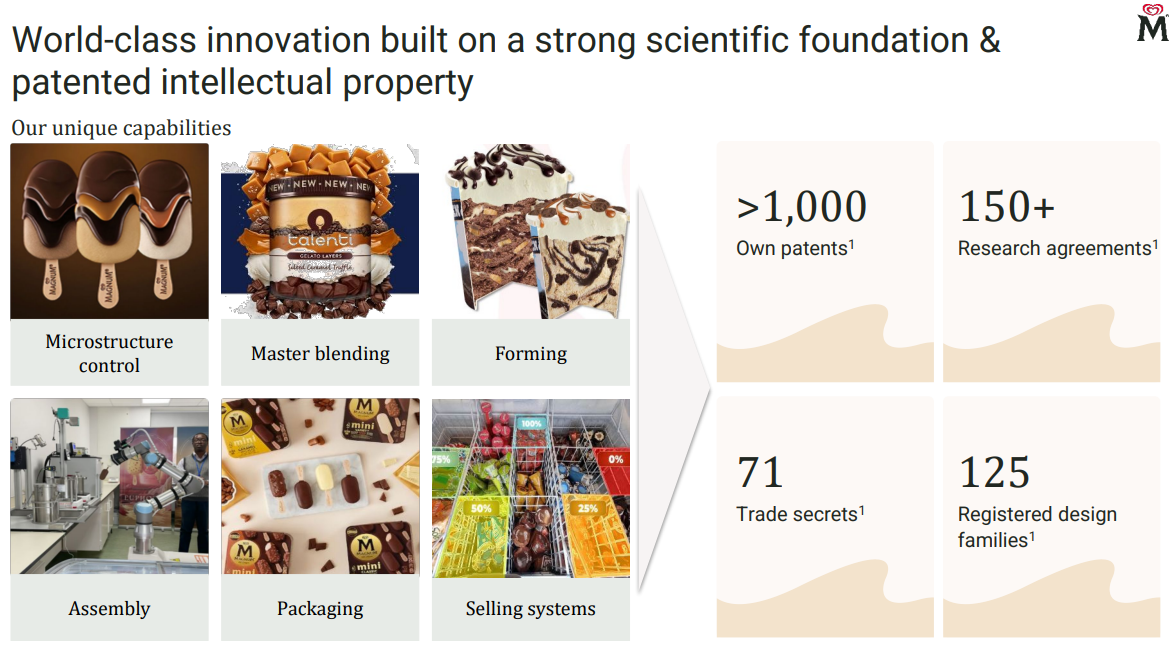
Intellectual property: this isn’t just a distribution operation, either. Thanks to its vertically-integrated model, TMICC’s sales are underpinned by a deep foundation of intellectual property, manufacturing capacity and marketing expertise:
Risks
A company with this size and geographical reach is always likely to face some risks and have ongoing legal issues. The prospectus contains a long and detailed discussion of the company’s view on current risks and liabilities. It’s worth a read to understand management’s viewpoint but is somewhat lengthy.
In this section I’d like to highlight a couple of items that caught my eye and are evidently also occupying headspace for TMICC’s management.
Weight-loss drugs
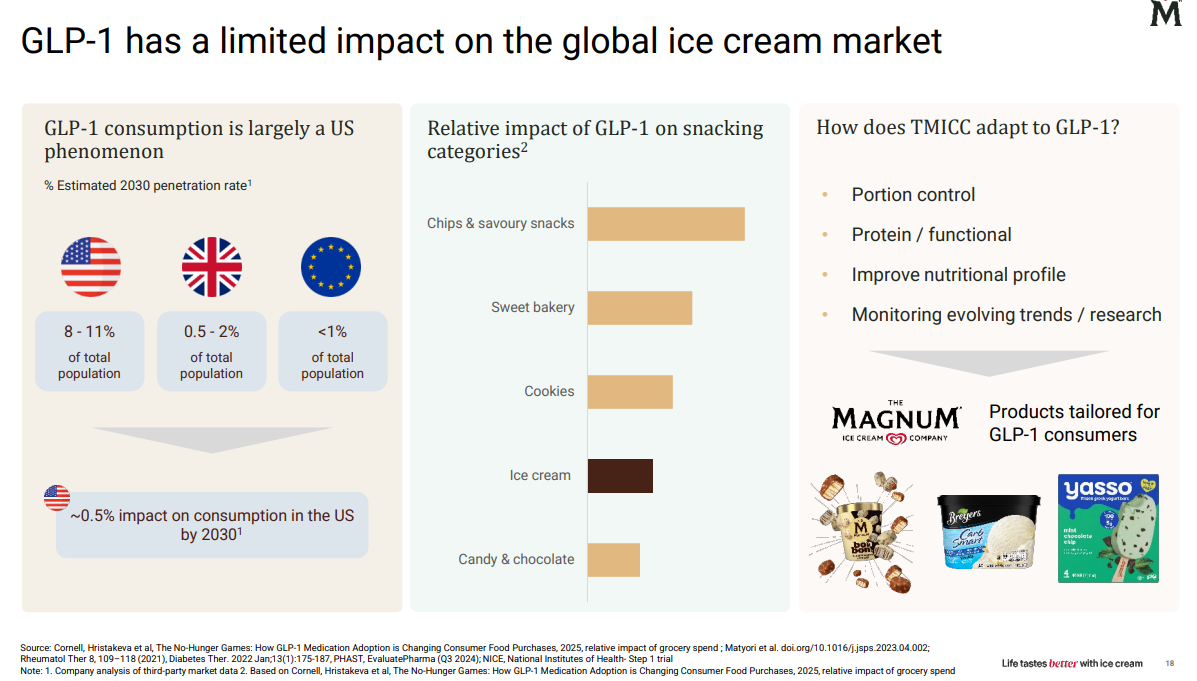
Ice cream is a very popular treat, but it’s not generally seen as a healthy option. The growing usage of weight-loss drugs could presumably prompt some ice cream consumers to reduce their consumption or avoid the food altogether.
I don’t have any data on this, but TMICC has put together an overview of its view on the situation, based on a range of data sources it has identified. Perhaps unsurprisingly, the upshot is that the company believes weight-loss drugs will have a limited impact on the global ice cream market:
Ben & Jerry’s
In terms of ongoing legal and reputational risks, one item that particularly caught my eye was the comment on Ben & Jerry’s:
The governance structure of Ben & Jerry’s may pose certain risks to the reputation and operations of the Group
Ben & Jerry’s has a history of being more outspoken and political on some topics than we might expect from an ice cream company. This reflects the company’s pre-acquisition heritage and identity – but it turns out these rights and responsibilities are also enshrined in the “rights, powers and authorities of the Ben & Jerry’s board”. These include:
(i) having primary responsibility over “preserving and enhancing the objectives of the historical social mission” of Ben & Jerry’s; and (ii) having primary responsibility over “safeguarding the integrity of the essential elements of the Ben & Jerry’s brand-name”
In the past, social mission priorities have included sustainability and opposition to genetically modified organisms. More recently, Ben & Jerry’s social mission has led the company to seek to make statements relating to the conflict in the Middle East, some of which Unilever has apparently blocked from publication.
Ben & Jerry’s has taken legal action against Unilever which is ongoing, while Unilever appears to be trying to unseat the chair of Ben & Jerry’s board. As the company says, these matters may not have a material impact on the operations of the business, but there remains a risk that this situation could affect the group’s “reputation, business, financial condition and results of operations”.
Financials & Ownership
Ahead of its demerger, TMICC has prepared standalone accounts for 2022 - H1 2025. This allows investors to get a better understanding of the business than is provided by Unilever’s standard divisional reporting.
I’ve taken a look at them and extracted some of the key metrics I’d usually review when preparing a Stock Pitch.
What is the record of growth and profitability?
The ice cream business took a big hit during the pandemic due to the loss of out-of-home sales. Within Unilever, the company was also seen as underperforming, recording a loss of market share and profitability. However, performance since 2023 suggests the unit’s turnaround plan is delivering results:
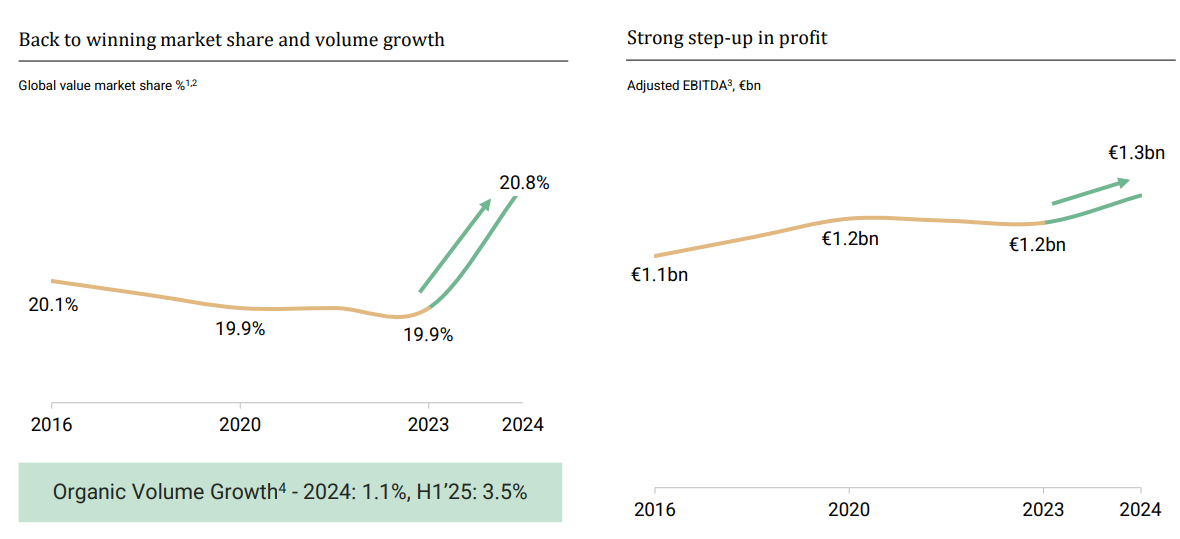
This has translated into a steady recovery in sales and profits since 2022, albeit with a dip in profitability over the 12 months to June 2025:
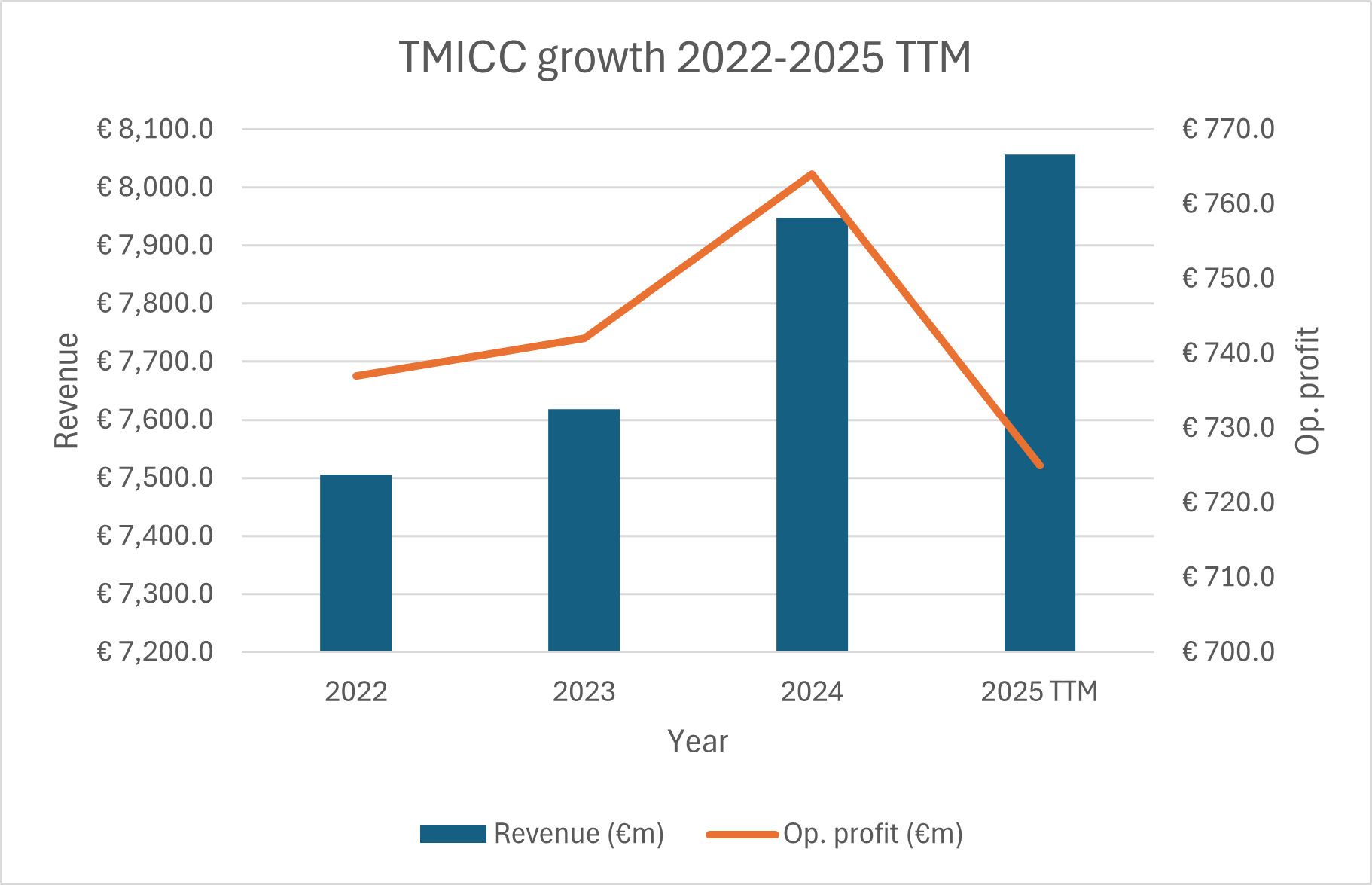
The drop-off in 2025 appears to have been due to a broad-based increase in input costs and overheads, plus higher restructuring costs. I don’t think there’s a serious problem, though – Unilever manages this kind of situation routinely and when TMICC separation costs are stripped out of the numbers, the reduction in profit looks much less severe.
Overall profitability certainly looks attractive to me. While operating margins are somewhat average, TMICC’s carve-out accounts suggest this business could generate very attractive returns on capital employed. In my view, this is a crucial ingredient for sustainable, long-term growth:
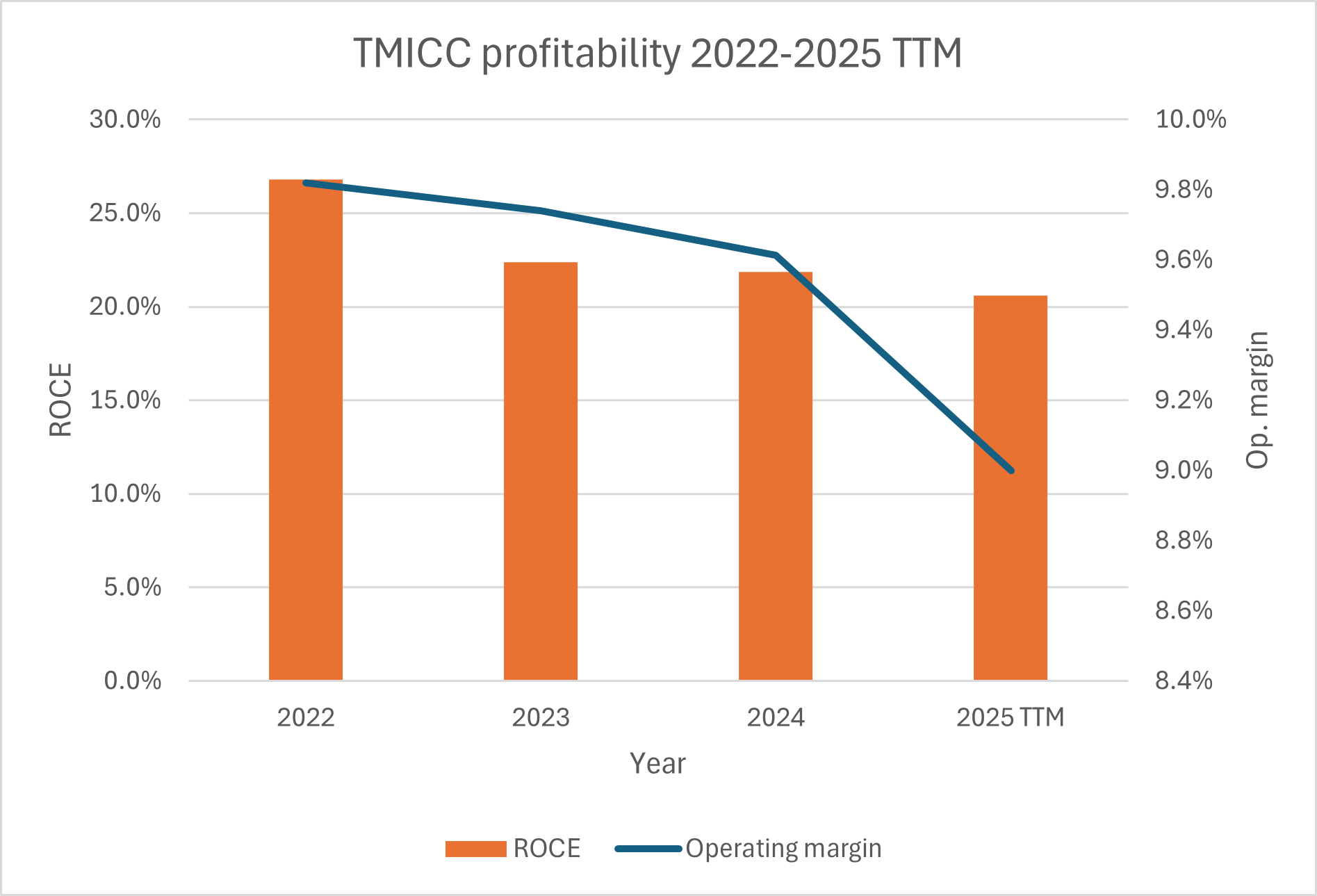
As a rule of thumb, I see ROCE of c.20% or above as one of the hallmarks of a high quality business. If this is sustainable, then this is the kind of quality, defensive stock I might be happy to pay a premium to buy for my long-term portfolio.
Balance sheet & cash flow
One of Unilever’s more reliable qualities is its free cash flow conversion. The company typically converts a high proportion of its earnings into surplus cash each year.
The carve-out accounts for TMICC suggest to me that this attractive quality may be preserved when the ice cream business becomes a standalone company:
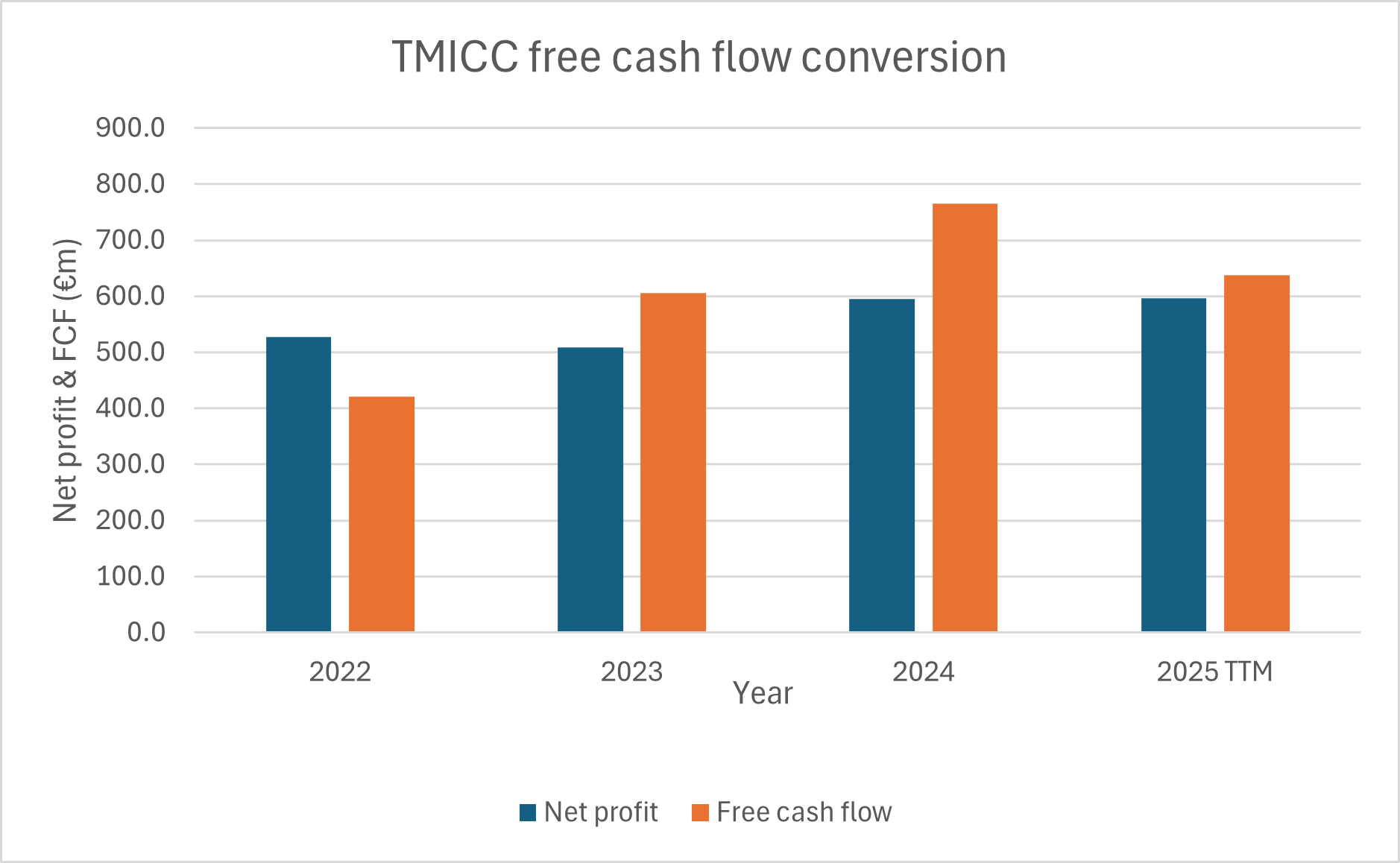
What about debt? Historically, the ice cream business has been funded centrally using Unilever group debt. The carve-out accounts for 2022-2025 don’t show any debt. However, as a standalone business TMICC will need debt and the business has now secured a number of loans and borrowing facilities.
The company has provided a pro forma balance sheet for 30 June 2025 that shows how its financial situation might differ from the historical accounts (as part of Unilever). My impression is that net debt is likely to be €3 to €3.5bn at the time of the demerger.
This would be at the upper end of the company’s stated target leverage range of 2.0-2.5x EBITDA, which it intends to maintain for the foreseeable future.
While this degree of leverage is generally at the upper end of my comfort zone, I think it should be sustainable and comfortable enough for a business of this kind. TMICC has secured an investment grade credit rating and appears to be able to borrow at attractive rates.
Ownership & Management
Unilever’s shareholder register is obviously dominated by large institutions. I’d expect a fair level of crossover from this on the TMICC register. However, there will be some changes.
Unilever itself will initially retain a 19.9% shareholding in the business. This will make it the largest shareholder and one of three entities that are expected to control more than 3% of the stock:

Management: the company has appointed a highly-experienced board for the business and has “upgraded [the] top 100 leaders” in the business, most of whom are expected to have had at least two ice cream seasons of experience at the time of the demerger.
TMICC CEO Peter ter Kulve is a Unilever lifer who was placed in charge of the ice cream division in 2024.
His history with Unilever’s ice cream business stretches back to 1988, but in the interim period he’s moved around the business and around the world. Notably, he was in charge of founding Unilever’s wellness business in 2018 – a unit that’s since become a core driver of growth.
Valuation & Estimates
Because this is a demerger, there won’t be a price-setting process as would happen with an IPO. Instead, the shares will simply start trading and find their value in the market.
However, it is possible to get some idea of the likely market cap and valuation at which TMICC might trade – and also the dividend yield that’s likely to be on offer when the first payout is declared next year (for payment in 2027).
EV/EBITDA multiple: comparing a range of international consumer goods stocks on Stockopedia suggests to me that these businesses are currently trading with EV/EBITDA multiples of 10x - 16x. Unilever itself currently has an EV/EBITDA multiple of 14.6x.
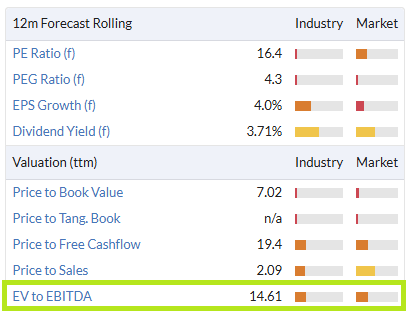
Applying a multiple of 14x to TMICC’s FY24 adjusted EBITDA of €1,340m and making an estimate for €3bn of net debt gives me an estimated market cap of c.£13.8bn.
This is consistent with market commentary I’ve seen suggesting the City is expecting a valuation somewhere in the £12-15bn range.
Earnings per share & P/E ratio: Unilever plans to issue 612.2m shares in TMICC.
Using last year’s net profit of €595m, we can estimate FY24 earnings of 85.2p per share.
Applying a market cap range of £12bn to £15bn gives an estimated possible share price range of £19.60 to £24.50.
In turn, this suggests a trailing price-to-earnings (P/E) ratio of between 23 and 29.
- Update 08/12/25: my efforts at valuation seem to have been over-optimistic. Initial trading of the stock has suggested a somewhat lower valuation - I have commented on this in today's DSMR.
Dividend yield: the company’s guidance is for a dividend payout of 40% to 60% of free cash flow (FCF).
Using 2024 free cash flow of €765m as a guide, I estimate the stock could offer a forward dividend yield of around 2.5% at my mid-point share price estimate of £22.
It’s worth noting the first payout will be declared with respect to 2026 earnings, for payment in 2027. So shareholders will have one year without any dividends.
What to expect in your sharedealing account
TMICC shares will be issued on a one-for-five basis to existing shareholders.
If you own 100 Unilever shares, you’ll receive 20 TMICC shares.
At the same time, Unilever will also carry out a consolidation of its own stock. This is aimed at offsetting the lost earnings from the ice cream business and ensuring the Unilever share price will remain comparable before and after the demerger.
The exact ratio of the consolidation will depend on the pricing of TMICC stock, but the effect for shareholders is that the number of Unilever shares in your holding will fall.
Conclusions
So what’s my decision on TMICC shares?
I am pretty comfortable that this business will prove a reliable, good quality and defensive performer. I don’t expect the global ice cream market to decline for the foreseeable future and believe that TMICC’s brands, market share and deep-rooted distribution reach are likely to protect its position and support further gains.
This is a stock I’d likely want to buy if it fell to a below-average valuation – for example, if the dividend yield reached 3.5%. However, the valuation on listing seems likely to be significantly higher than this. Shareholders will also have to wait more than a year for their first dividend payout – a frustrating point for an income-focused investor like me.
I haven’t made a final decision yet, but one option I might consider – somewhat in contradiction to my initial view – is that I will simply keep my allocation of TMICC shares for a year or so. This would give me time to learn more about the company and watch for any attractive opportunities to buy or sell the stock.
For now, I’ve added the company to my watch list as a business I would be interested in owning at the right price. Please let me know what you think in the comments below.
Disclosure: Roland owned shares in Unilever and GSK at the time of publication.
Disclaimer
This is not financial advice. Our content is intended to be used and must be used for information and education purposes only. Please read our disclaimer and terms and conditions to understand our obligations.

22 comments
I reasoned that there could be sellers of the shares by those who were not interested in the ice cream business. This could be an opportunity. Ice cream will never go out of fashion IMO. If the sugar content becomes a concern then recipies could be altered but you would need resources of a big company to do it. I bought in and aim to sell if the price gets above around £15 say. In my view Magnam ice cream itself is way overpriced (compared to the equivalent Lidle say) but people don't seem to notice so that's not bad for the profitablity. Thanks for the review.
but we all love ice cream right - would your average bod in the street rather invest in magnum or CIF?
Anyone have any tips how to handle this on your Stockopedia portfolio if you hold Unilever? Transaction sell the amount of ULVR required and then and buy TMICC all at £0 or use a sensible SP?
to me makes sense to sell relevant % of unilver for approximate market value of tmicc and buy tmicc at that same value - so same base cost and correct splits going forward - job done. You are apportioining base costs fairly.
that way your running profits will more closely relect reality practicably speaking (capital gains tax may be soemthing completely different)
Magnum Ice Cream NV (LON:MICC) auction yesterday and up in price strongly today. Having churned the numbers in more detail I don't think this is as cheap as indicated and Stockopedia data doesn't look correct as they have cEuro 4bn of debt. I've now exited again for a small profit. Share price is between £11-12 and fair value approx. £15 so at c£12 its not that cheap. The enterprise value is close to Euro 12bn, net profits about Euro 0.5bn and EBITDA cEuro1.3bn. Great company though, so will continue to watch price action.
NB. Interactive Investor allowed online trading on the 9th, but its now telephone only dealing, although they only charged online rates which is good of them.
Roland in regard to Net Debt. You said ... "My impression is that net debt is likely to be €3 to €3.5bn at the time of the demerger". Was that correct? I see the stockopedia report page gives net debt at just €300m.
Well £11 looks a very good entry price on a 2-year view. I've increased my holding as its more likely that demand for the shares will increase over time. It also reminds me of John Templeton's lemonade story; best to offer to buy the lemonade stand on a rainy day! Buying ice cream companies as we approach the shortest day, with tracker funds not buying and Unilever holders selling is somewhat similar!
I guess the only real uncertainty here is with regard to the debt - if thats not been fully clarified
has it been clarified ? debt will bring in finance costs - if debt is less than 3/4 years net profit on projected basis accounting for finance costs that would seem very decent.
I am not sure eactly what they would need to be investing in capital wise ? so hopefully if the core business can increase earnings in line with inflation organically this should be chucking out some decent cashflow - for investing in new brands paying down debt or upping the dividend.
if we dont have live balance sheet now that would seem odd as a starting point - hopefuly not long till it all becomes clearer
There is a proforma balance sheet on page 242 of the prospectus which shows net debt of cEuro 3.5bn. A very complex transaction!
Market share is mentioned as 10.6% of 2024 sales but then in the next paragraph mentions 21% of the market. Apologies for being dim - why the difference?
Hi Melling1984,
That's a very good question I should have explained. I've added a comment to the article above to clarify this, but in short my belief is that the difference between the two reflects the segments of the market in which Magnum Ice Cream NV (LON:MICC) competes.
i.e. it has a 21% share of the branded ice cream segments in which it competes, but perhaps a 10.6% share of the total global ice cream market (including own label and other specific segments where it may not compete).
Hope this helps,
Roland
Quite right about some spin offs Roland, my Indivior (NSQ:INDV) holding from Reckitts was so small it wasn’t worth selling but it’s now up a princely 432% since being spun out! If only I’d topped up!
I dumped HALEON (LON:HLN) fairly quickly and held South32 (LON:S32) too long having added to it, but based on how unique the ice cream business could be with its IP, know how and “frozen moat” ice rink of freezer real estate it could be quite interesting!
I wonder if much of the sales resource was shared with Unilever that might result in go to market costs increasing? On balance I think they probably had specialists as they do with the health and beauty business when selling into the likes of Boots.
Thanks Roland, I don't hold ULVR, so thank you for the write up.
Excellent review Roland. I may hold onto the Magnum Ice Cream even though not a great ice cream fan! Hopefully it will perform better than HALEON (LON:HLN) but suppose for them it is still early days.
On a separate subject your SIF screen is still pulling up Rank (LON:RNK) on Stockopedia. In the budget they announced a £40m hit to profitability from gambling taxes (most recent annual net profit was £44m) so when does this get reflected in the Stockopedia numbers ? There must be a big negative impact on any earnings related criteria. I guess you just have to apply some subjective analysis to take note of any exceptional news not captured in the metrics behind the screen.
Cocoa is known to reduce hypertension and therefore blood pressure.
Dark chocolate has an antioxidant called flavnols, and eating a small and regular amount can lower blood pressure and lower the chances of heart-related diseases.
This balances to an extent the effects of owning shares.
PS. there is a shop in Canary Wharf which sells nice chocolates - well don't know because won't pay that price - but there is a market there but for some, not me (my wife would not be impressed if came home with a tiny box of chocolates and found out what had paid for them) but there are people that do. Cadbury Twirl ok for me and me old teef. Cadbury no longer around and too bored to research who bought. Enjoy your chocolate.
Kraft or laterly mondelez
Thanks Roland. An excellent summary which saves me lots of time as I had not done anything other than download the 300 page prospectus! I will look at the valuation once listed and possibly increase the size of a likely sub-scale holding. I very much like the business, although I don't consume ice cream as I did as a kid!
Thank you for that work Roland
i like the idea of part owning what i consume in large volumes
Thanks for this write up, watching with interest.
Is it possible to calculate the proforma stockranksi if you assume 50 for momentum?
Very comprehensive write up, well done.