Dividend Dogs portfolio: two years of beating the FTSE 100

Just over two years ago, I created a new model portfolio using a simple Dividend Dogs screening approach.
My Dogs portfolio beat the FTSE 100 during its first year (Oct 24 - Oct 25), so I refreshed the selection and decided to continue for another year.
This article covers the performance of the portfolio during its second year. The good news is that my Dogs have delivered a total return (income + capital gains) ahead of the UK market again, thanks to a strong run of performance for some of the UK’s most unloved – and high yielding – big cap stocks.
What are Dividend Dogs?
Before I take a look at the portfolio, let’s recap how this high yield income strategy works.
The Dividend Dogs strategy is a fairly simple one: buy the 10 highest-yielding stocks in a major market index such as the FTSE 100, and then hold them for the year. At the end of the period, rebalance and refresh.
The Dogs strategy was made popular by US investor Michael O’Higgins in his book Beating the Dow. O’Higgins continues to run variants of this strategy in his asset management business. While the idea was originally conceived for the Dow Jones index, I think it’s a natural fit for the income-heavy FTSE 100.
While the small number of stocks carries some concentration and diversification risk, the logic behind this is that focusing on a big cap market index provides a certain level of intrinsic safety:
Its main safety net is that blue chip stocks tend to be large, mature and well financed companies with long histories of weathering economic turmoil.
Dividend Dogs: what happened in year two?
The FTSE 100 continued to motor higher over the last year. Broadly speaking, my Dogs followed the index up. This chart shows share price performance (excluding dividends) over year or so:
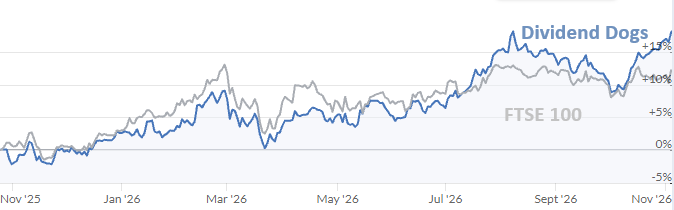
(Performance from 27/10/25 to 10/11/26 - this update is slightly late!)
Here's how the portfolio has performed since inception in October 2024:
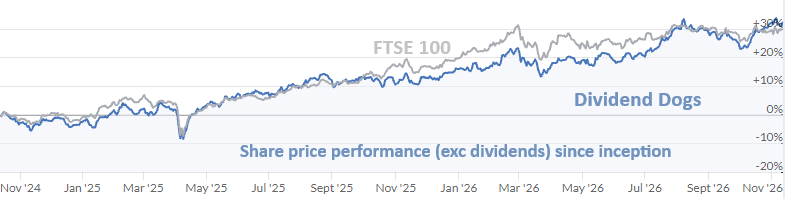
(Performance from 14/10/24 to 10/11/26)
What’s interesting is that the mix of income and share price returns changed last year.
Higher starting valuations meant that the dividend yields on offer were slightly lower than in the prior year. Fortunately, continued strong momentum in many parts of the UK market mean that the income shortfall was comfortably offset by share price gains:
Period 27/10/25 - 10/11/26 | Share price return | Income yield | Total return (share price + dividends) |
Dividend Dogs | 16.5% | 5.9% | 22.4% |
FTSE 100 | 13.3% | 4.8% | 18.1% |
Here’s how each of last year's Dogs performed over the same period:
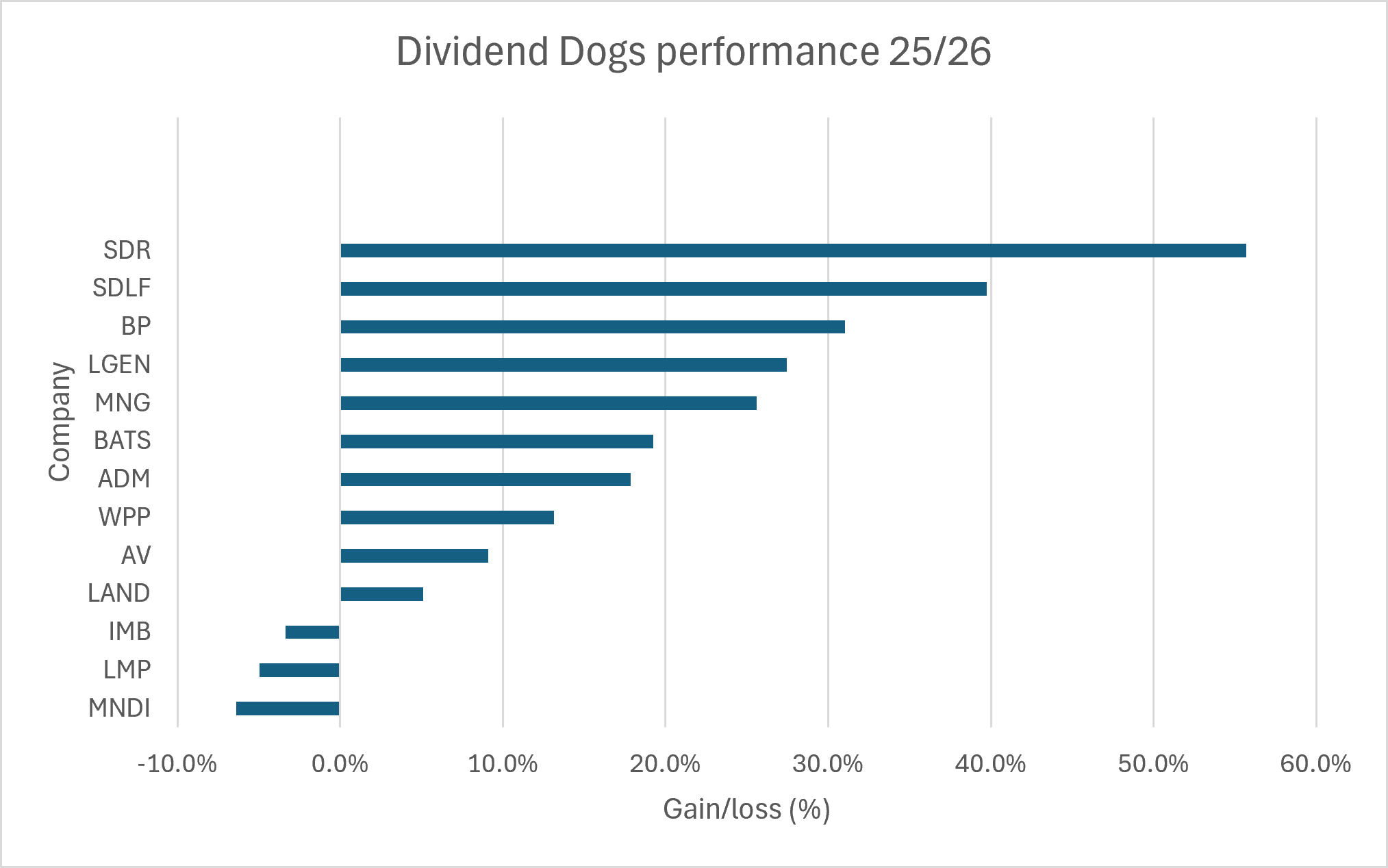
Takeover - Schroders (LON:SDR): the portfolio’s biggest winner last year was asset manager Schroders, thanks to a takeover offer in February.
I closed this position at 590p on 30 September 2026 for a capital gain of 56% and a 2% dividend return (the takeover curtailed dividend payments). Schroders wasn’t replaced in the portfolio following its sale.
The chart above shows one-year performance, but some of the positions in the portfolio have now been held for two years. For this reasons, I think it’s useful to zoom out and look at the portfolio’s actual holdings prior to rebalancing:
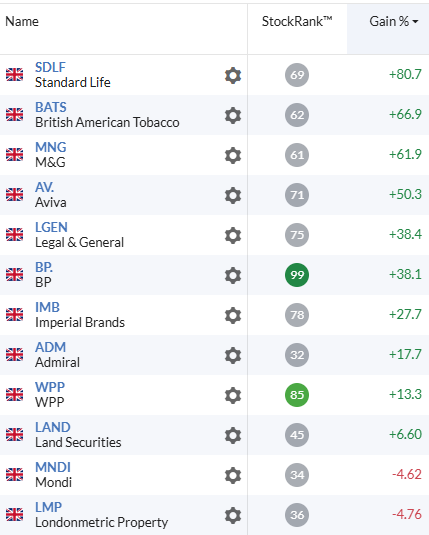
Dividend Dogs 2026/27: portfolio refresh
The intention with this strategy is to keep things as simple as possible. All that’s required is to refresh and rebalance the stock selection once a year, so that each position starts the period equally sized.
Last year I decided to introduce an additional step of selling any stock that was demoted from the FTSE 100 and replacing it. However, I confess I didn’t actually follow through with this, so I have decided to abandon this rule for the current year.
To create my model Dogs portfolio, I merge the results of Stockopedia’s two Dividend Dog Guru Screens:
Dividend Dogs: uses trailing 12-month dividend yields
Dividend Dogs (Forecast): uses rolling 1-year forecast yields
The two screens usually deliver similar results, but combining them provides a slightly broader choice of stocks:
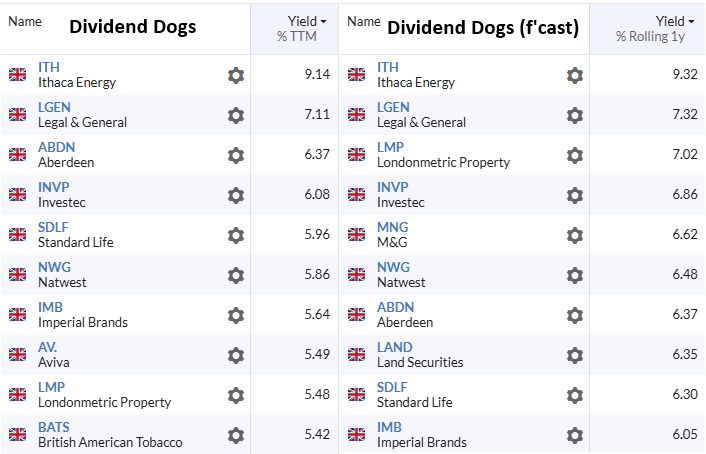
Comparing these screen results with the existing stocks in the portfolio gives me the following new line-up for 2026/27, with 12 equal-sized positions:
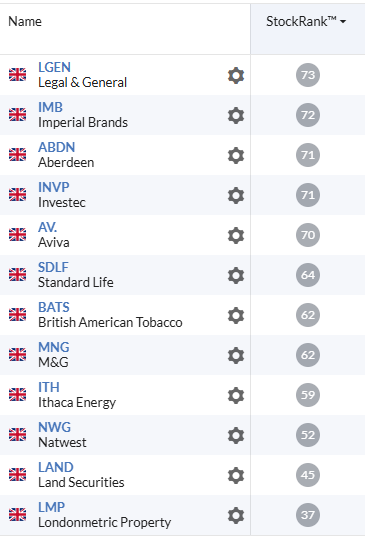
The average dividend yield of these stocks is 6.6%, just slightly below the 6.8% average yield in October 2025.
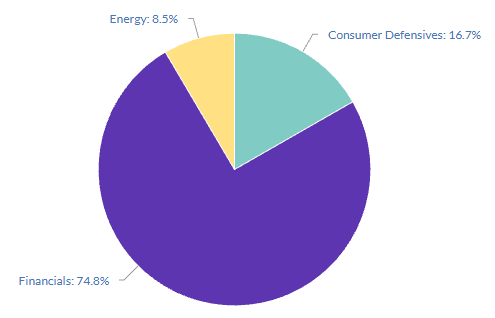
There is an obvious lack of diversification here, in particular due to the 75% weighting to financials (albeit this includes two property stocks):
In other ways, however, the quantitative profile of the portfolio is better than I thought it might be.
My companies’ StockRank Styles are all either winning or neutral…
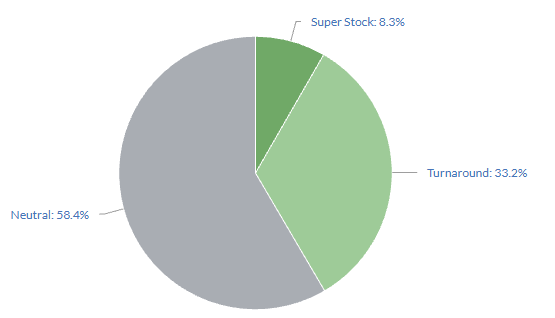
… while their RiskRatings are mostly lower-volatility styles. These have statistically provided better risk-adjusted returns over time:
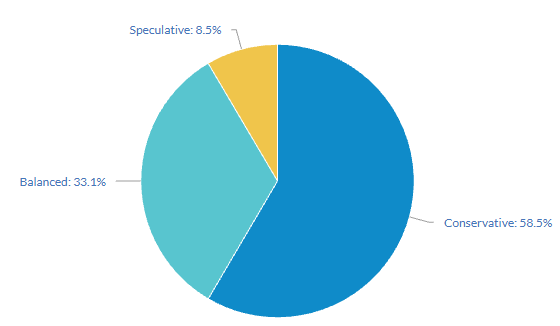
Looking more closely, we can see the portfolio is biased towards stocks that score highly for Value and Momentum. This is the typical profile of a Turnaround, a cheap, improving stock. That’s exactly what I’m hoping for with the Dogs:
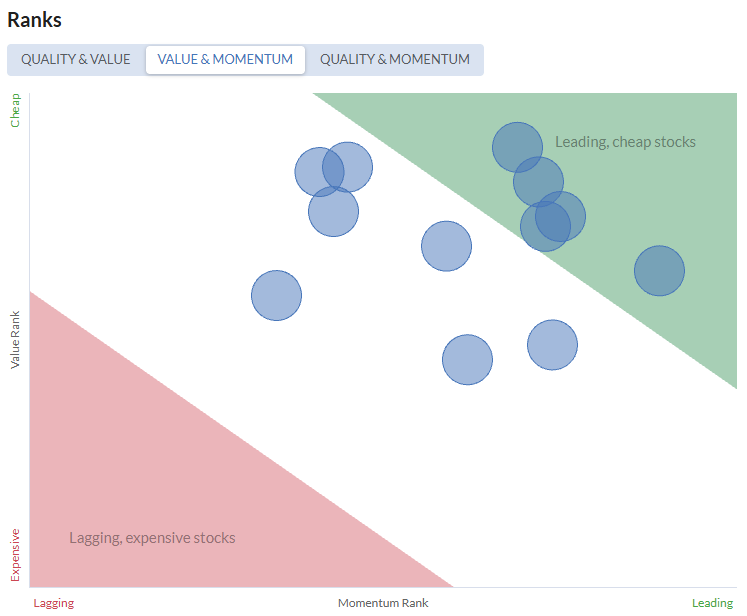
We’ll have to wait until next year to see whether the tentative promise of this portfolio is fulfilled. To wrap up, I’ll now take a look at the new stocks I’ve added to the portfolio for the coming year.
New stocks
Four new companies have joined the Dividend Dogs portfolio this year.
Ithaca Energy (LON:ITH)
Nine months of conflict in the Middle East have provided a tailwind for oil and gas producers like Ithaca. However, shares in this independent producer have cooled since the Democrats swept the midterm elections, triggering renewed hopes of peace and a fall in energy prices.
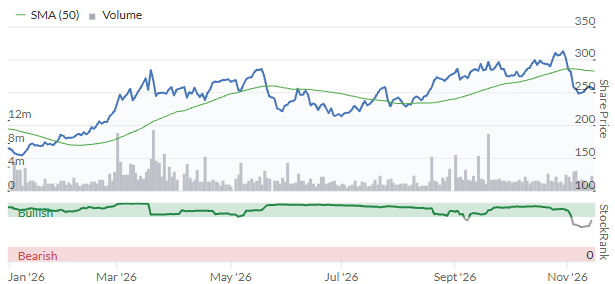
This decline has left the stock with a tempting 9% dividend yield, underpinned by August’s upgraded guidance for $500-530m of dividends in 2026.
While the potential for a return to lower oil prices is a risk, by August this year Ithaca had already hedged around 50% of its production through to the end of 2028. The total might be higher now – a Q3 update is due shortly.
The business has also expanded its production ase since August half-year results through the recent acquisition of a number of offshore assets in Canada. These are expected to add around 30 kboe/d of production between 2027 and 2031.
Ithaca is the portfolio’s sole Speculative stock, highlighting the extra volatility that can be expected from a commodity producer.
Aberdeen (LON:ABDN)
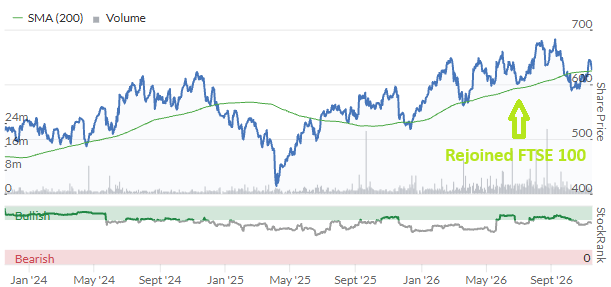
Aberdeen rejoined the FTSE 100 earlier this year after a difficult spell. It’s one of the UK’s larger asset managers, but is probably best known to many of us as the owner of the Interactive Investor investment platform.
In his review of the company’s half-year results, Graham noted outflows from the core investment division and suggested that ii was probably one of the best parts of the business.
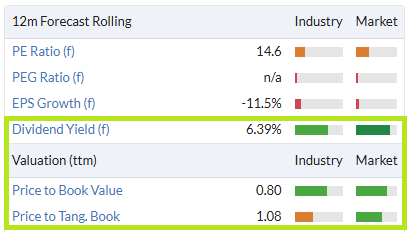
I agree with this view, but can’t help feeling that Aberdeen looks pretty cheap on an old-school value basis. The shares currently trade close to their tangible net asset value and offer a 6% dividend yield that’s covered by forecast earnings:
I’m also cautiously encouraged by the group’s recent Q3 update:
Q3 net outflows slowed to £0.3bn;
Management reiterated guidance for net capital generation of c.£300m this year, which should provide cash cover for the dividend.
Aberdeen would not be my pick of UK asset managers in terms of the quality of its product or franchise (with the exception of ii). But I do think the stock could offer value at current levels.
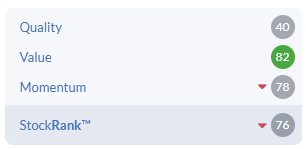
The StockRanks support this interpretation, with Turnaround styling and decent Value and Momentum ranks:
Investec (LON:INVP)
Financial services group Investec is dual-listed in London and South Africa. Adding it to my Dogs is something of a shot in the dark.
I know very little about the business except that it’s a private banking/wealth management specialist whose shares were promoted to the FTSE 100 earlier this year:
Investec’s recent half-year update looked solid enough to me, guiding for mid-single digit EPS growth in H1 and a return on equity of over 13%. I don’t think that’s too shabby for a big cap stock trading below book value.
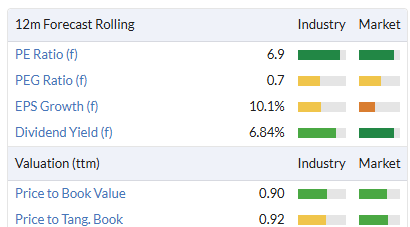
Indeed, even more so than with Aberdeen, Investec’s valuation looks very undemanding. The stock is trading below book value and offers a near-7% yield that should be twice-covered by earnings:
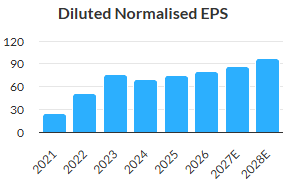
A ValueRank of 90 supports the idea this could be a cheap stock, while consensus forecasts suggest a decent progression in earnings over the next 18 months:
I’ll be interested to see how this position pans out. Is Investec as cheap as it seems, or are there company-specific risks I’ve not understood?
Natwest (LON:NWG)
High street bank NatWest fell sharply out of favour with investors recently, after the bank’s third-quarter update revealed flat profits and prompted analysts to revisit their earnings forecasts for next year.
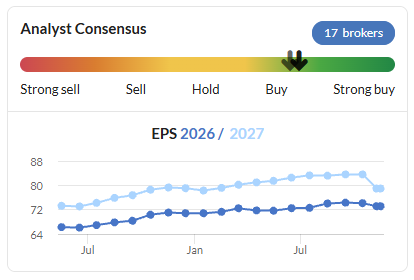
NatWest now looks quite reasonably priced to me, at least based on its recent performance.
The trailing 12-month return on equity of 14% and price-book ratio of 1.2x imply a return on cost of equity of around 11.5% for new buyers. That’s above the 10% threshold I use as a rule of thumb for value in banking stocks.
On this metric, NatWest is cheaper than either Lloyds (7.6%) or Barclays (10.8%). The risk, of course, is that forecasts could slip further over the coming months, putting pressure on returns.
NatWest is attempting to expand its footprint in the lucrative wealth management market through the recent £2.7bn acquisition of Evelyn Partners. However, the reality is that it remains highly exposed to the health of the UK economy, housing market and interest rates.
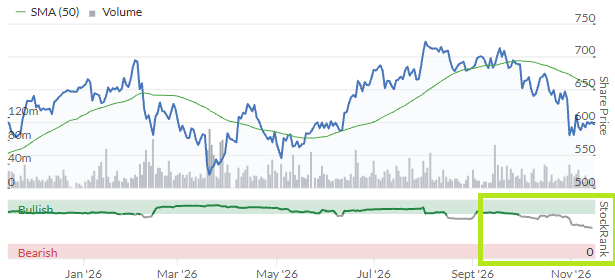
I don’t expect anything major to go wrong here, but there is a risk that the stock could underperform after a period of strong growth. The recent decline in NatWest’s StockRank after a long spell in the green is certainly something to be aware of:
I hold NatWest shares in SIF and in my real money portfolio, so I’ll be watching with interest over the coming year.
Disclosure: at the time of publication, Roland owned shares in Legal & General Group and Natwest Group.
Disclaimer
This is not financial advice. Our content is intended to be used and must be used for information and education purposes only. Please read our disclaimer and terms and conditions to understand our obligations.

1 comment
Thanks Roland. Right up my street! A few Dividend Stocks will constitute a useful corner of my wider portfolio.